

























































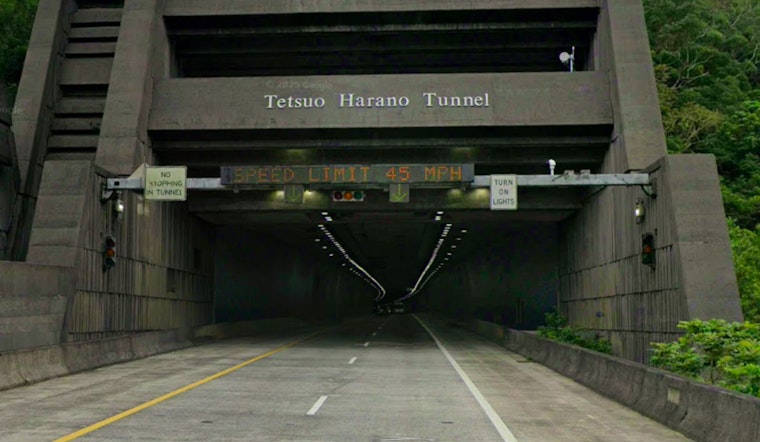
Thursday night's commute turned chaotic when a vehicle fire forced authorities to halt all Halawa/Honolulu-bound traffic on the H-3 freeway, stranding drivers about a mile before the notorious Harano Tunnels. The incident, first reported at 11:11 PM on August 8, brought back familiar concerns about emergency response times in one of Hawaii's most challenging highway corridors.
According to Hawaii Department of Transportation, the H-3 Traffic Operations Center located in the control building at the Halawa portal monitors tunnel traffic at all times. The TOC calls 911 to dispatch police, fire department, or emergency medical personnel as appropriate for each situation.
A Pattern of Perilous Incidents
The latest fire adds to a troubling history of vehicle emergencies plaguing the H-3 corridor, particularly near the massive Harano Tunnels. Previous incidents include a deadly car fire in September 2024 that occurred just outside the Harano Tunnel around 10:15 a.m., forcing Kaneohe-bound lane closures for several hours during a police investigation. Just months earlier, in May 2025, another vehicle fire created gridlock on the same stretch, prompting authorities to shut down all lanes before the tunnel around 6 p.m.
As detailed by technical documentation, the freeway crosses the Koʻolau Range along several viaducts and through the 5,165-foot-long Tetsuo Harano Tunnels as well as the smaller Hospital Rock Tunnels. The freeway then runs on Windward Viaducts through Hālawa Valley for about six miles until reaching the tunnels.
Engineering Challenges Create Emergency Risks
The H-3's unique geography creates particular hazards during emergencies, with limited escape routes for stranded motorists and elevation changes that complicate firefighting efforts. The highway includes a state-of-the-art traffic operations center that monitors tunnel conditions and can detect stalled vehicles, vehicular fires, and crashes. The high-tech tunnels feature transitional lighting, exhaust fans, emergency call boxes, cross passages, message signs, lane control devices, and various safety monitoring systems.
Recent safety improvements reflect ongoing concerns about the corridor's challenges. According to a Hawaii DOT report, crews have been regrooving concrete surfaces to improve traction and installing flexible plastic delineators at lane edges. The safety improvements began with regrooving the Halawa/Honolulu bound lanes.
Strict Emergency Protocols
Hawaii DOT regulations strictly prohibit stopping, standing, or parking in the H-3 Tunnels, with large signs installed at tunnel entrances as reminders. Per emergency protocols, if an emergency forces a motorist to stop, vehicle occupants should remain in their cars until help arrives. Emergency call boxes are available for motorists to contact the Traffic Operations Center, or drivers can flash headlights to signal for assistance.
A Costly and Controversial Legacy
The H-3's troubled history extends beyond recent vehicle fires. After nearly a decade of construction from 1989 to 1997, the project exceeded its original budget by over a billion dollars and took 37 years from planning to completion. As noted by historical records, many contend the freeway is "cursed" due to its destruction of religious sites, with ongoing environmental concerns including weed encroachment, light pollution, and impacts on native wildlife like pueo owls.
Thursday night's incident serves as another reminder of the unique challenges facing one of America's most expensive highways, with a final cost of $1.3 billion or approximately $80 million per mile. While the immediate cause of the latest vehicle fire remains under investigation, the incident underscores the ongoing need for robust emergency response capabilities along this critical transportation link between Honolulu and windward communities.





