

























































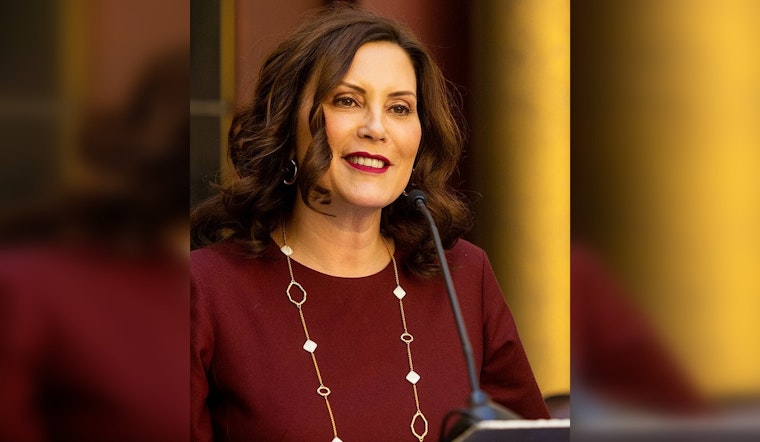
Gov. Gretchen Whitmer of Michigan has been on the move to Washington, D.C., both literally and metaphorically, fighting for the interests of her state in the face of federal policy and economic changes. Her recent meeting with President Donald Trump, a third since his inauguration, was ostensibly about mitigating the impact of tariffs on the state's auto industry and seeking a gentler path for Medicaid changes that threaten to disrupt millions. The Democratic governor's office described the effort as critical in avoiding "disruption in care for seniors, people with disabilities and new moms," as reported by CBS News.
Walking the fine line of bipartisan work, Whitmer has secured several wins amid a period of intense political division. According to a statement obtained by Michigan Advance, "This year alone, we’ve secured major, bipartisan wins including a new fighter mission at Selfridge Air National Guard Base in Macomb County, funding to protect our Great Lakes from invasive carp, and federal disaster support for communities in Northern Michigan impacted by historic ice storms." But the stakes of her negotiations are high, she wrestled with Trump to get a three-year transition period for Michigan's Medicaid program and discussed the dire need for flexibility and clarity after recent changes to the Insurance Provider Assessment.
Though Whitmer's efforts are an unpacked tale of advocating for her constituents, her approach reflects an understanding that she must navigate through politically fraught waters. Handshakes with Trump and meetings with key officials like White House chief of staff Susie Wiles reflect an ongoing strategy to maintain a productive dialogue across party lines. Notably, she did not meet with Vice President JD Vance, paving her own road through discussions directly with decision-makers who can influence outcomes for Michigan, as evident from her discussions with officials such as U.S. Secretary of State Marco Rubio and U.S. Defense Secretary Pete Hegseth. With the auto industry coursing through the veins of Michigan's economy and Medicaid representing one-third of the state's budget, the governor's dance with diplomacy could not be more significant.





_(1).jpg)