

























































In a move toward more compassionate care, North Carolina’s Department of Health and Human Services (NCDHHS) has recently initiated a two-year pilot program aimed at transforming the handling of crises at child residential facilities. The NCDHHS announced that 22 Psychiatric Residential Treatment Facilities (PRTFs), operated by seven different agencies, will adopt Ukeru® — a method that eschews traditional physical restraints and seclusion in favor of de-escalation strategies rooted in comfort.
According to a press release from NCDHHS, Ukeru translates to "to receive" in Japanese and represents the first crisis intervention training in the nation that cuts the need for restraint and seclusion as behavioral management tools. The program, already in use across various states and international facilities, had its trainer certification sessions held in Raleigh and Marshville this past July. An essential component of the Ukeru methodology involves the utilization of soft blocking pads, which ensure safety for both staff and clients while promoting engagement and emotional stability.
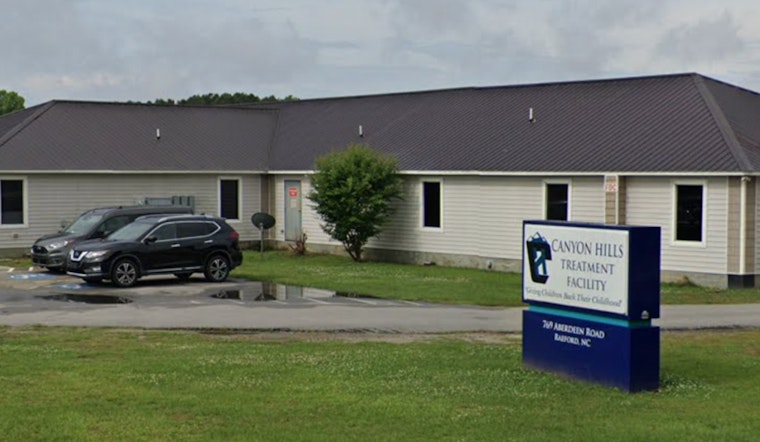
The initiative is part of North Carolina's comprehensive plan to bolster mental health care for youth, particularly those with complex needs. "For kids who have experienced trauma, adding to that trauma through the use of restraint and seclusion can be devastating and can lead to more aggression and longer destructive cycles," NCDHHS's Director of the Division of Mental Health, Developmental Disabilities and Substance Use Services Kelly Crosbie, MSW, LCSW, elucidated in the statement. Facilities participating in the pilot include names such as Alexander Youth Network, Thompson Child & Family Focus, and Canyon Hills Treatment Facility, among others, as per the NCDHHS.
This innovative program slots neatly into an expansive $835 million strategy, aimed at reshaping North Carolina's mental health care into a system that delivers whole-person care when and where it's needed.


