

























































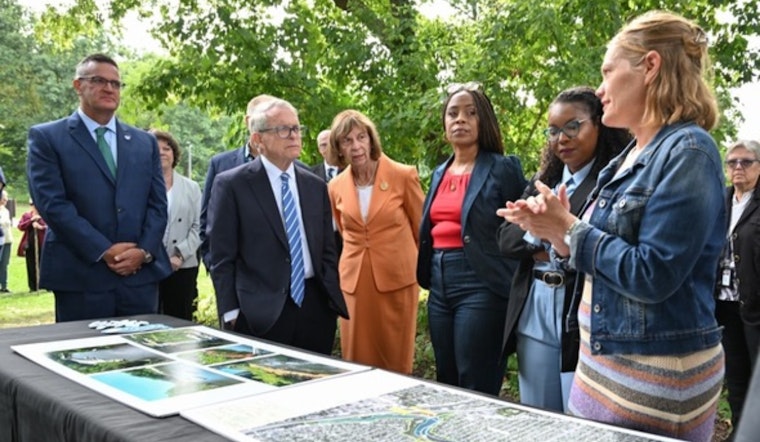
Ohio Governor Mike DeWine, U.S. EPA Regional Administrator Anne Vogel, and other officials gathered to mark the start of the long-anticipated Gorge Dam cleanup effort, which aims to restore the Cuyahoga River. As reported by the Ohio Governor Mike DeWine's official website, this project will remove approximately 865,200 cubic yards of contaminated sediment that's been accumulating for over a century.
Emphasizing the significance of this initiative, Governor DeWine said, "The Cuyahoga River is a symbol of both our progress and our opportunities with water quality here in Ohio." He, alongside numerous stakeholders, has been pushing for improvements that aim to return the river to a "healthy, natural, free-flowing state." A substantial amount of funding, including $25 million announced in 2022, and an additional $1 million from the H2Ohio initiative introduced in 2023, has been dedicated to this cause.
The Cuyahoga River, once a poster child for pollution and industrial neglect, is finally on the brink of rejuvenation. Behind the Gorge Dam, a toxic reservoir filled with substances such as polycyclic aromatic hydrocarbons (PAHs), polychlorinated biphenyls (PCBs), oil and grease, and heavy metals like cadmium and lead poses serious threats to people, fish, and wildlife. Remediation steps include not only dredging up the sediment but also stabilizing and relocating it, ensuring risks associated with these contaminants are diminished.
Dredging operations are expected to span two construction seasons, making way for the eventual demolition of the Gorge Dam itself. This 58 ft. tall and 425 ft. wide structure is currently an outdated barrier to the river's free flow, and its removal is crucial for boosting water quality and preventing sediment buildup. It's a partnership venture, with funds from the Great Lakes Restoration Initiative and various project partners, setting this up to be one of the largest Great Lakes Legacy Act sediment removals to date.
Several entities are collaborating on the task at hand, including the Ohio EPA, the Ohio Lake Erie Commission, and local governments like the cities of Akron and Cuyahoga Falls, Summit Metro Parks, and Summit County. As the community watches the project unfold, there is anticipation for a restored river, one that is cleaner, healthier, and more accessible to all Ohioans.



