

























































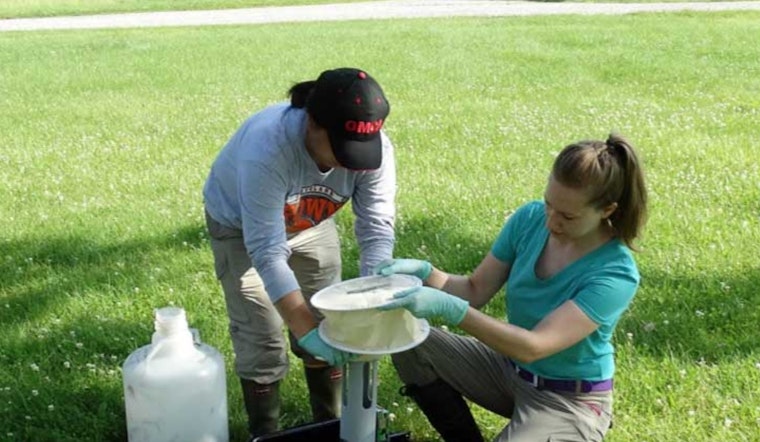
Keeping an eye on our tiny foes, the Ohio Department of Health (ODH) is ramping up its surveillance on vector-borne diseases, the illnesses transmitted by blood-feeding insects like mosquitoes and ticks. In a collaborative effort with various health and sanitary agencies, ODH is set to monitor these diseases that have a knack for flaring up when the weather gets warm. Ohioans can expect updates on these pesky health threats, as the state promises to deliver the latest findings every week.
The Zoonotic Disease Program, a segment of ODH, has the mission to closely track and analyze any outbreaks of diseases like Lyme, Zika, or West Nile. By partnering with the ODH Laboratory and local counterparts, they aim to not just closely follow, but genuinely to get ahead of potential health crises. Starting from now till the end of autumn, updates will be posted online each Friday at noon, providing a snapshot of the current situation and any emerging trends, according to the Ohio Department of Health (ODH).
This surveillance isn't limited to human cases; it includes veterinary instances too, making it a comprehensive approach to health monitoring. There's a recognition that these diseases can deeply affect communities and ecosystems, with an impact that extends well beyond a single bite. It's not just about tallying cases but understanding how they spread, adapting strategies to prevent them, and ultimately protecting public health.
The diligent work by the health authorities in Ohio underscores a commitment to transparency and proactivity when it comes to these hidden threats. Each update is expected to contain not only positive identification of diseases but also summary statistics that can guide Ohioans in taking preventive measures. As the surveillance kicks into gear, the state looks to continue to keep its residents safe and informed during these high-risk months for vector-borne diseases.




