

























































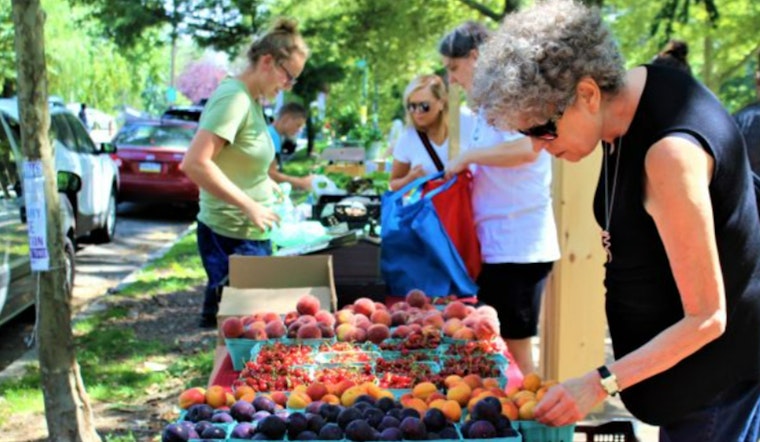
With food insecurity numbers remaining grimly high in Philadelphia, the city's more than 30 farmers' markets and farm stands are stepping up as critical sources of fresh produce for local neighborhoods. These markets, which have been a part of the city's fabric since the 19th century, serve a dual purpose: not only do they offer access to nutritious foods, but they also keep the local and rural agriculture economies afloat. In a city where over 210,000 residents faced food insecurity in 2023, access to healthy foods through these markets is more important than ever, especially for Black and Hispanic households, which experience higher rates of food insecurity.
Apart from the traditional economic and nutritional benefits they provide, farmers’ markets in Philadelphia cater to various payment options, enhancing their accessibility; these include the acceptance of SNAP/ACCESS cards, Philly Foods Bucks, and Senior and WIC Farmers’ Market Nutrition Program vouchers, as outlined in a guide available at www.phila.gov. By dialing into community needs by using a farmers market finder tool that filters by payment type, residents can easily locate these inclusive shopping venues.
The Philadelphia Health Department’s Division of Chronic Disease and Injury Prevention (CDIP) acknowledges the disparities in healthy food access and has thus instituted Farmers’ Market Mini-Grants in 2025, awarding $2,000 each to fourteen markets in low-income, food-insecure communities, an official statement on the city’s website explains, and although not all applicants received grants, they all benefited from free promotional signage from CDIP.
The CDIP isn't just doling out funds—it's also laying the groundwork for future markets by releasing a new Farmers’ Market Operator Guide, allying with the Environmental Health Services and other partners, this manual provides essential insights for those looking to start and sustain farmers’ markets in the city, and it encapsulates best practices from the Farmers’ Market Advisory Group's 30 years of experience, furthermore, the planning tool has been fine-tuned to assist operators in determining the necessary location approvals for market operation, the guide is available at the City of Philadelphia website.
Alongside these initiatives, resources and tools provided by CDIP aim to empower local communities to increase the availability of local, fresh produce. For individuals or organizations interested in operating a farmers’ market or accessing the recently updated guide, information is available at the aforementioned city website.





