

























































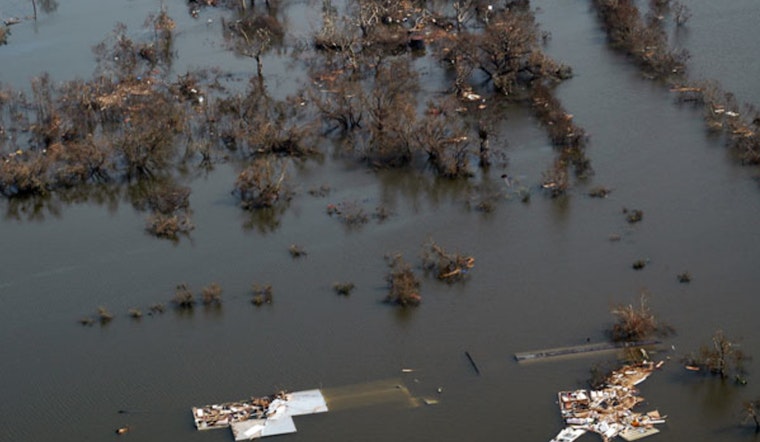
Twenty years have passed since Hurricane Katrina tore through New Orleans, and the stories of those who weathered the storm continue to emerge. A Scottsdale doctor, Dr. Robert Kuske, shared his harrowing experience of surviving six days post-Katrina with barely any food or water, according to a FOX 10 Phoenix report. Trapped in a French Quarter hotel, Dr. Kuske remembered the scene as "total anarchy," where police were reportedly outgunned by gangs.
While stranded, Dr. Kuske and more than 200 other guests became a makeshift community, relying on each other to get through the chaos. "Most people there were pulling together," Dr. Kuske told FOX 10 Phoenix. "It was like a city within the city." A chef hiding in the hotel, who had a secret stash of food, was a key to their survival. But the doctor's recollection underscores the absence of government response in the immediate aftermath of the storm, where he noted, "We really had to fend for ourselves."
The impact of Katrina was also chronicled by The Weather Channel, which provided a multidimensional look at the disaster. Their coverage included stories from survivors, meteorologists' recollections, and a striking portrayal of the resilience and recovery of New Orleans. One piece that stands out is their composition called "The Sound Of Water: Voices Of The Storm," delivering an array of personal reflections that convey the emotional landscape of the aftermath.
As the city continues to rebuild two decades later, the spirit of New Orleans has been reshaped as much as its physical terrain. Katrina's legacy has been tallied in staggering statistics, like the 1,800 lives lost and over $125 billion in damage, but the human stories add a depth that numbers alone cannot convey. The rebuilding journey, one that still continues, has been marked by resilience, as Hurricane Katrina remains etched in the fabric of the nation’s collective memory. "Now every time I go back I say, 'New Orleans, I'm here,'" Dr. Kuske reflected in his interview with FOX 10 Phoenix.





