

























































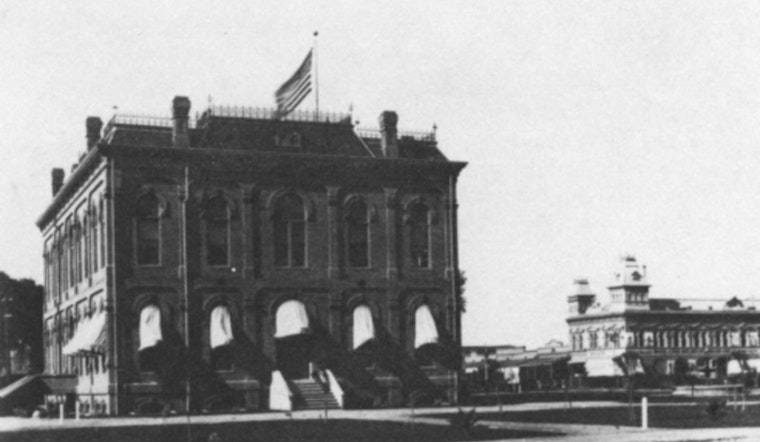
The Phoenix skyline has transformed dramatically from the handful of low-rise buildings standing over 130 years ago, to the high-rises defining its modern silhouette. A chronological photo essay, published by Phoenix New Times, captures this evolving landscape. As Phoenix's population catapulted from approximately 100,000 in the 1950s to the current 1.6 million, the downtown area sprouted skyscrapers where stone and brick structures once stood, significant changes that contrast starkly when looking at historic photos, like those of the 1889 Monihon Building, where the Renaissance Square now looms and the metamorphosis seen on a motor vehicle-absent streetcar-spotted 1900s Phoenix thoroughfare, to a more car-populated vista of the 1920s.
Unsurprisingly, the arts and public structures haven't just gone upward but roundabout too, with a new public art installment in Scottsdale named TRI-HEX-CIRC, a 50-foot steel sculpture transforming geometric shapes from its base to its peak, created by Phillip K. Smith III, as detailed in an article by Flinn. Also covered are Corey Begay's mural endeavors, using art to ignite conversations around Navajo and Hopi water rights, and Tempe's nearly $200K in arts grants to local programs, which range from theater to music to those inventive arts events happening in surprise locales throughout the city.
Historically significant buildings, like St. Mary's Basilica completed in 1914 or the Hotel Adams rebuilt in 1973, contrast with the sleek modernity of Chase Tower, formerly known as Valley National Bank building, with its rotating sign of yesteryear and the now Arizona State University's central institution previously the First National Bank of Arizona, with it's lettering that stood in the center of the frame in a photo from 1969; the city's identity is an amalgamation of these temporal layers. The Phoenix New Times highlights iconic constructions like the Luhrs Tower, once the Valley Bank and Trust host, which has since turned into a Hilton Garden Inn, and is a part of the continuing evolution of this desert metropolis.





