

























































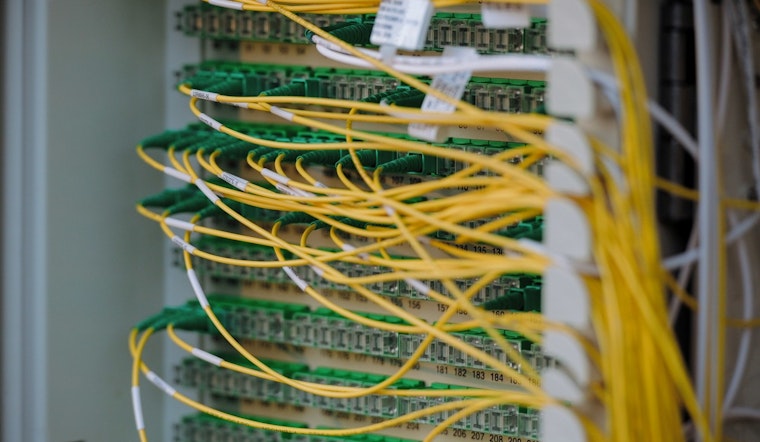
The expansion of the tech economy in Arizona, particularly Maricopa County, is seeing a surge powered by the demands of artificial intelligence. ABC15 reports that the Phoenix metro area has added 2.71 million square feet of new data center space in the last decade, becoming the fourth-largest market in North America. Ian McClarty, president of PhoenixNAP, underscored the importance of this growth for competitiveness, saying, "For the U.S. to remain competitive, we need more data centers to house this equipment that is very power hungry."
However, concerns have been mounting over the infrastructure demands of these data centers. Not only are they capacious, but they also run around the clock. Kevin Thompson, chairman of the Arizona Corporation Commission, expressed surprise at how rapidly these facilities mushroomed across the Valley. In a statement obtained by AZFamily, Patrick Bogle, data center strategy director at APS, revealed their struggle to support the electricity needs. "We do not have the energy and transmission infrastructure to support the amount of energy that's being requested of us," Bogle stated.
Bringing into focus the pressing issue of the energy crunch, at last summer's peak, APS saw demand hit 8,200 megawatts, while requests from the data centers could bring demand to a staggering 19,000 megawatts. APS officials have been candid about the challenges, admitting they have had to turn away potential data center customers due to these limitations. The surge in electricity requirement led to APS and SRP customers setting energy use records during one scorching 118-degree day, casualties to a bandwidth inability to bear the digital load.
These issues culminated in the Phoenix City Council implementing regulations on the positioning of data centers within the city. Community members, alongside firefighters and others, expressed concerns over the potential harm to neighborhoods, the environment, and to the first responders in case of mishaps. Moreover, Thompson has initiated an investigation to ensure the equitable distribution of costs, adding, "How can we ensure that the data centers are paying their fair share, paying their own way?" as he told AZFamily. APS has vowed not to shift the financial burden onto residential consumers for necessary utility upgrades.
The conversation surrounding these developments also embraces the economic and innovative potential of AI. The AI Surfer headquarters in Scottsdale serves as an epicenter where entrepreneurs can explore and integrate AI into their business models. Meanwhile, as the industry contends with the need for expansion to maintain a competitive edge on a global scale and meet the intense demands of AI computation, Arizona wrestles with the balance between welcoming tech growth and ensuring sustainability for its communities and environment.



