

























































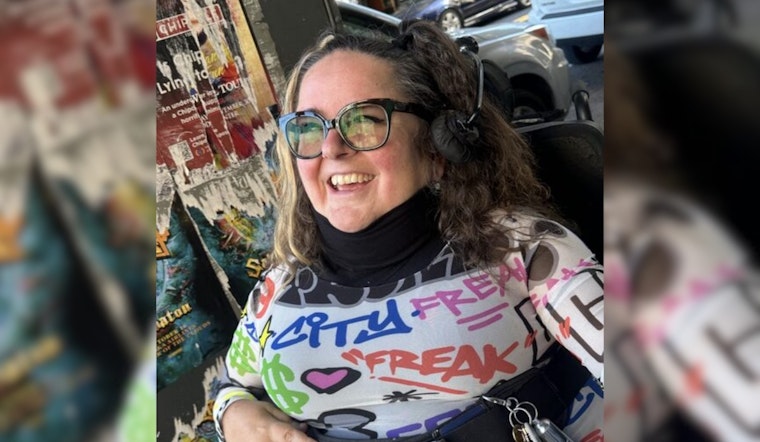
Nickole Cheron, the ADA Title II Disability Equity Manager at the Office of Equity and Human Rights, shared her passion for a city accessible to all. Cheron, a Portland native and part of the disability community, draws from personal struggles to enhance her role in government, ensuring that people with disabilities experience fewer barriers in their daily lives, as per the City of Portland.
When describing her motivation, Cheron told the City of Portland, "I got quite depressed" after accessibility issues derailed her educational plans. Motivated by her frustration, she stated, "Screw this. I'm going to work in government, and I'm going to make it better for people with disabilities." Having earned an MBA and a master’s in conflict resolution, Cheron landed a job where she has pushed for change. Living with disability in Portland, she leverages her firsthand experiences to improve the city's governance.
The ADA legally requires the City of Portland to provide people with disabilities equal opportunities in various aspects of life, including public services and transportation. Cheron plays a pivotal role in addressing inequities. She emphasized the importance of city governance reflecting the diversity of its constituents, stating, per the City of Portland, "Good governance happens when your staff represents the community you're serving." Cheron's work includes conducting the Disability Equity and Engagement Survey, which gathers data from thousands to inform city decision-makers about the community's needs.
One of Cheron's notable achievements in making the city more inclusive is the Adaptive Biketown program. Originally a partnership between the city and Nike, Biketown failed to cater to people with disabilities. The program was redesigned after Cheron and her colleagues conducted a survey and formed a steering committee, which included people with various disabilities.





