

























































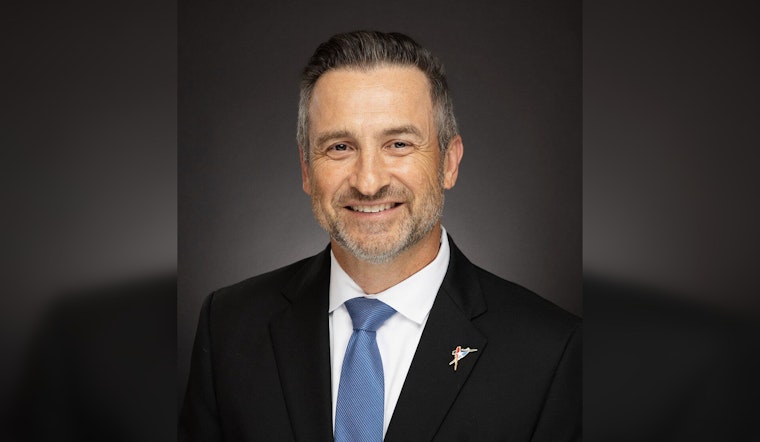
Round Rock Mayor Craig Morgan has sounded the alarm on SB 10, a piece of legislation that intends to cut the cap on how much revenue cities can raise from existing properties without a special election, arguing that it will harm rather than help Texans longing for property tax relief. As it stands, the current cap allows for a 3.5% increase for maintenance and operation expenditures, but SB 10 seeks to reduce this to 2.5%. According to a statement from the City of Round Rock, Mayor Morgan asserts, "Push the cap lower, and you are forcing cities like ours to make incredibly difficult decisions about these essential services."
This legislative push comes as part of an ongoing narrative that sees state lawmakers vow to provide homeowners with tax relief, yet the proposed measures do not always align with the economic ramifications on local services. In Round Rock, property taxes account for approximately 37% of the city's general fund revenues—money critical to supporting public amenities and services like police, fire departments, and libraries. Mayor Morgan highlighted Round Rock's efforts to alleviate the property tax burden, pointing out that their sales tax, nicknamed the "hardest working sales tax in Texas," covers 41.5% of general fund expenditures and helps to save the median homeowner about $466 a year under the proposed tax rate.
Addressing the issue of school financing, the Mayor shed light on the district's current predicament. A large portion of the taxes collected for schools doesn't even benefit the local education system due to the "recapture" policy that sends funds from "property-wealthy" districts back to the state coffers. Emphasizing the effect of SB 10, as Mayor Morgan put it, "Until the Legislature addresses this broken school finance structure, Texans will keep feeling squeezed, no matter what new caps like SB 10 are passed."
Morgan contrasted the city's transparent approach to revenue increases, citing voter-approved bonds in 2023 intended for specific projects, such as fire stations and park improvements, to the broad-stroke implications of SB 10. The Mayor has argued that SB 10 impedes on community autonomy by enforcing a standardized limitation that fails to account for the unique fiscal needs necessary to sustain city services. The local budgeting foresight in Round Rock encompasses plans for funding 17 new public safety officers and building two new fire stations—all of which could be at risk if SB 10 takes effect. "That's not politics. That's math," Morgan told the City of Round Rock, signaling the potential for major reductions in core services if the cap reduction becomes a reality.
The struggle between state legislation and local governance encapsulates a larger debate over how best to ensure fiscal responsibility while delivering essential public services. Mayor Morgan has been adamant that SB 10 would further complicate the equation by shifting the fiscal burden and creating budget gaps that will have real-world impacts on public safety and city infrastructure. The message coming from Round Rock's city hall is clear: instead of providing genuine tax relief, SB 10 could enforce budgetary constraints that would compromise the livelihood and safety of its residents.



