

























































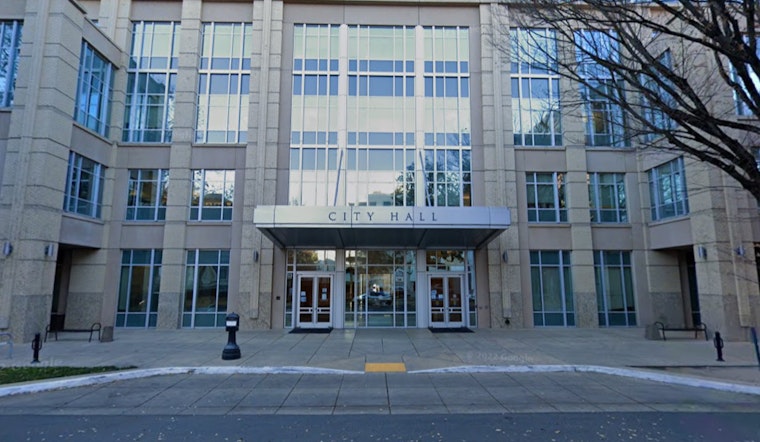
The Sacramento City Council delivered a harsh blow to the city's most vulnerable residents in July, voting 6-3 to ban overnight camping outside City Hall and implementing a policy that advocates say criminalizes poverty instead of addressing its root causes. The decision reversed a 2018 ordinance that had allowed people experiencing homelessness to sleep on City Hall grounds between 9 p.m. and 6 a.m.
Fines and Jail Time Over Solutions
According to The Sacramento Observer, Mayor Kevin McCarty's proposed policy would impose fines up to $25,000 and jail time of up to a year for sitting or lying in front of City Hall between 9 p.m. and 6 a.m. CapRadio reported that the measure passed with support from five council members, ending the 2018 policy that allowed overnight sleeping on the property.
The decision came despite passionate opposition from advocates who argue the ordinance pushes vulnerable residents into more dangerous areas. As reported by CapRadio, unhoused residents say it was one of the last safe and well-lit places to sleep.
Troubling Justifications
Mayor McCarty introduced the ordinance, saying the goal was to make the area safer for staff and the public, according to CapRadio. He said the city would work to inform those who regularly stay outside City Hall and offer them shelter and outreach services. However, critics point to a concerning pattern in the city's approach.
During public testimony, attorney Ryan Hockbaum noted that "Since his mayoral term has started, fines and arrests have increased sixfold, and there has been no increase in shelter capacity or affordable housing throughout the city," as detailed by CapRadio. The mayor justified the policy by citing cleanup costs, claiming "We're saving to not have to power wash literally feces and urine from the sidewalks every morning."
Sacramento's Worsening Crisis
The context for this decision is particularly grim. The Sacramento Observer reported that since 2009, Sacramento's homelessness crisis has only worsened, rising from 2,800 individuals in 2009 to 6,615 in 2024, with experts believing this is an undercount.
Despite recent Point-in-Time count data suggesting progress, service providers paint a different picture. According to ABC10, while official counts showed the county's unhoused population dropped 29% over the past two years, organizations like Loaves and Fishes reported a 6% increase in the number of people they served between 2022 and 2023.
Voices of Opposition
Dr. Flojaune Cofer, who narrowly lost the 2024 mayoral race to McCarty, delivered pointed criticism during the council meeting. Per CapRadio, Cofer said the majority of the council does not interact enough with unhoused people to understand the impact of this ordinance, arguing "We would not allow a panel full of men to make decisions for women. We would not allow a panel full of white people to make decisions for people of color."
The decision also faced resistance from council members Mai Vang, Lisa Kaplan, and Caity Maple, who voted against the ordinance. CBS Sacramento reported the ban applies to overnight camping or even sitting or lying on the ground in front of City Hall between 9 p.m. and 6 a.m.
Historical Echoes
Community advocates have drawn troubling parallels to Sacramento's history of displacement. The Sacramento Observer notes that Sacramento's history is scarred by systemic racism: "Seventy years ago, the City Council approved a redevelopment plan that displaced diverse communities in the West End under the justification of blight and negative effects on public welfare."
The Human Cost
The policy's impact extends beyond statistics. Allen Miller, who has been experiencing homelessness in Sacramento, spoke about the importance of the City Hall area to CapRadio. He's been using City Hall as a place to feel secure while he rests, saying "It is safety. I've never had a problem getting robbed or anything."
A Pattern of Failed Policies
This latest decision follows other controversial moves by the council. Next City reported that Camp Resolution, which had operated under a historic lease agreement with the city, was swept after the lease was dissolved. At least one resident, Shonn Adams, died a few months after the sweep, according to the Sacramento Homeless Union.
As Sacramento faces its own budget challenges and potential cuts to homeless services, the July vote represents a troubling shift toward punitive measures. The Sacramento Observer outlined effective alternatives: "we need to expand rental assistance, strengthen tenant protections, invest in eviction defense, and raise the minimum wage to help people maintain stable employment," as mentioned on Sacramento Observer.
The ordinance is now in effect, with violations carrying fines ranging from $250 to $25,000. City officials say they will work with current campers to connect them with alternative housing options, though advocates remain skeptical about the availability and adequacy of such resources.



