

























































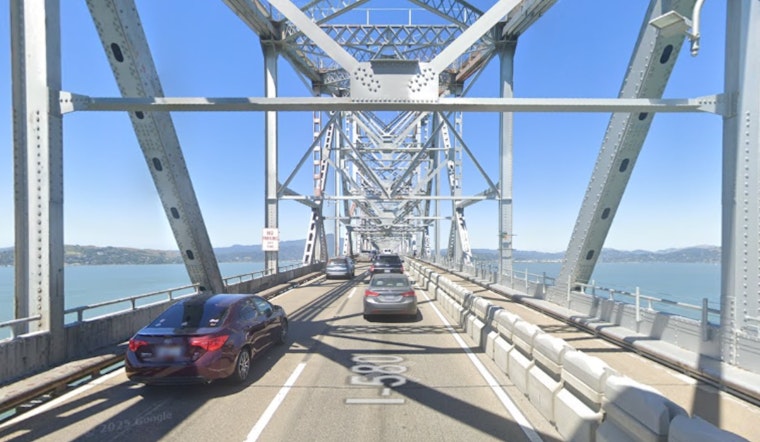
The future of the Richmond-San Rafael Bridge's bike lane has been cast in a new light as the San Francisco Bay Conservation and Development Commission (BCDC) voted to limit access to the path, reshaping it into a breakdown lane during specific hours. The controversial decision follows vigorous public discourse, with the BCDC hearing hours of commentary and reviewing hundreds of letters. According to an ABC7 News report, arguments from both sides expressed concerns about congestion and the need for alternative transportation methods.
The pilot project, which debuted in 2019, allowed for an unobstructed flow of cyclists and pedestrians across a 10-foot-wide path. However, recent data compelled the BCDC to alter the current dynamic of bridge usage to better accommodate the influx of automobiles during peak hours. A proposal by the Metropolitan Transportation Commission (MTC) suggests the path, instead, serve as a breakdown lane during weekday commute crunches, citing that on average, only 140 bicycle trips occurred on weekdays, compared to 360 on weekends and holidays, based on a report by ABC7 News.
In contrast, the BCDC also approved a plan that includes testing a part-time high-occupancy vehicle lane for mass transit and carpools and a part-time multi-use path for cyclists and pedestrians, as detailed by an article from the BCDC. This study and test phase, which will span three years, aims to examine the implications on bridge traffic and the safety of the surrounding vulnerable communities.
The commission's decision has been met with mixed reactions. "We want more people to do more things without a car and restricting access puts us in the wrong direction," Robert Prinz, advocacy director for Bike East Bay, told ABC7 News. However, Joshua Arce with California Alliance for Jobs contended, "The Commission's decision is a win for working people and a fair compromise, maintaining recreational bike use on weekends while reopening the bridge during the week to visibly reduce traffic for the tens of thousands of residents who drive their cars to work every day."
Amidst these operational changes, $10 million in Regional Measure 3 funds has been committed to active transportation projects that aim to improve public access to the bridge, including the Richmond Wellness Trail Extension and the Neighborhood Complete Streets project, ensuring bike and pedestrian infrastructure continues to grow as informed by BCDC release.




