

























































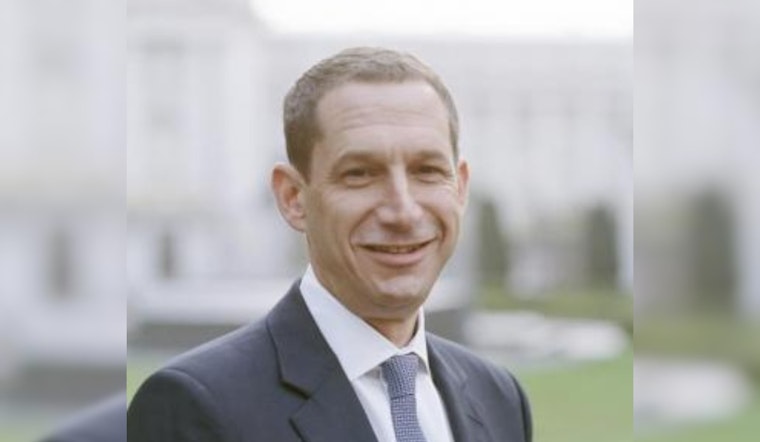
Starting Tuesday, a stretch of Market Street that has been effectively car-free for years will reopen, on a limited basis, to Waymo robotaxis and a capped number of Uber Black and Lyft Black pickups and drop-offs — a policy pivot the mayor says is aimed at bringing foot traffic back to downtown but that opponents warn could reverse hard-won safety gains.
Why the change matters
The move is part of Mayor Daniel Lurie’s downtown-revitalization push and goes into effect August 26 with a phased, off-peak pilot meant to balance access and safety. The city says it will closely monitor how the vehicles affect Muni reliability, curb operations and safety for people walking, biking and rolling. According to the Office of the Mayor, the rollout is designed to complement — not replace — existing transit and to help theaters, restaurants and hotels recover foot traffic after years of slow downtown activity.
What will change, exactly
Under the plan announced by city officials, Waymo will be permitted to operate on Market Street between Van Ness Avenue and Steuart Street during two off-peak windows: 9 a.m. to 4 p.m. and 7 p.m. to 6 a.m. Uber Black and Lyft Black will be allowed during evening and overnight hours (7 p.m. to 6 a.m.). The San Francisco Municipal Transportation Agency says pick-ups and drop-offs will be limited to a set of loading bays between 5th and 8th streets to keep curbside activity organized. These details are laid out in a Market Street notice from SFMTA staff.
City materials list several designated bays — including stops near the Warfield, the Proper Hotel and the Lighthouse for the Blind — that will function as the authorized access points during the trial, per the city’s rollout plan. Officials say the pilot period will collect safety, demand and Muni performance data to decide whether hours or volumes should change.
Who’s applauding and who’s pushing back
Mayor Lurie framed the change as pragmatic: “The Market Street corridor is key to our city’s recovery,” he said in the city announcement welcoming the service, adding that expanded options will help bring residents and visitors back downtown, according to the Office of the Mayor.
Business groups and some downtown property owners have publicly supported the idea as a quick way to restore connections to hotels, theaters and restaurants, a point chronicled in coverage by the San Francisco Chronicle. City officials and SFMTA Director Julie Kirschbaum emphasize the phased approach and data-driven evaluation in messaging to stakeholders, per an SFMTA update to the taxi industry.
At the same time, a broad coalition of bike, walk and transit advocates — including the San Francisco Bicycle Coalition, Walk SF, KidSafe SF and San Francisco Transit Riders — issued a sharp joint statement calling the decision “dangerous” and warning it threatens the safety gains of the car-free policy. The coalition argues the corridor saw measurable safety improvements after private cars were restricted, and they say reintroducing vehicles will slow Muni and raise crash risk; their response is posted on the San Francisco Bicycle Coalition site.
Taxi drivers and unions are also skeptical. The San Francisco Taxi Workers Alliance called the mayor’s move unilateral and said it could undercut livelihoods and service for riders who depend on taxis, in a statement on the taxi group’s website.
Data, safety and Muni service pressures
City officials say they will evaluate operator-supplied data alongside SFMTA observations to measure effects on transit speeds, curb operations and safety incidents. Critics point to recent Muni service reductions and argue the timing is poor: allowing new private-for-hire activity on a corridor that also faces cuts to public transit risks shifting scarce riders and slowing buses and streetcars, according to reporting in the Chronicle.
Proponents counter that approved hours and loading zones were chosen to avoid peak Muni operations, and that early data will determine whether the experiment expands. Axios summarized the city’s initial expectations that any traffic increases would be modest while officials test the concept.
Legal and regulatory notes to watch
The SFMTA has authority to designate who may use curbspace and which services operate on Market Street; its notices describe the phased rollout and the evaluation framework. The broader regulatory environment for autonomous vehicles also includes prior permitting and oversight actions — for example, the city signed a mapping agreement with Waymo for SFO roadways earlier this year — and the technology has attracted scrutiny from unions and watchdogs in other contexts, as documented in local reporting. Those tensions suggest the pilot could prompt further complaints or formal challenges if stakeholders believe process or public-safety standards were shortchanged. See the city’s SFO mapping announcement and reporting on prior ethics and lobbying complaints for background.
What to watch next
The pilot begins August 26 and will produce regular checkpoints: SFMTA has said it will monitor Muni performance, curb operations and safety incidents and adjust as needed. Expect close attention from street-safety advocates, taxi drivers and downtown businesses — and look for the first tranche of city-published data on how pickups and drop-offs affect transit speed and incident reports. If the pilot is extended or hours broadened, that will be the clearest signal the city plans a longer-term policy shift.
For now, San Franciscans will get a quick test of whether a tech-era fix can help revive storefronts without undoing a half-decade of safety work — and whether the city can thread the needle between economic recovery and street-safety priorities.
Reporting sources for this article include official city materials and local coverage: the mayor’s announcement and related documents from the Office of the Mayor, SFMTA notices about Market Street operations, reporting by the San Francisco Chronicle, an Axios summary of the rollout, local coverage by The San Francisco Standard, advocacy responses posted by the San Francisco Bicycle Coalition, and statements from the San Francisco Taxi Workers Alliance.
Starting August 26th, Waymo, along with a limited number of Uber and Lyft Black vehicles, will be allowed on Market Street during off-peak hours. This corridor is key to our city’s recovery, and expanding transportation options will help bring residents back to enjoy everything… pic.twitter.com/MKE07Gpk8w
— Daniel Lurie 丹尼爾·羅偉 (@DanielLurie) August 21, 2025





