

























































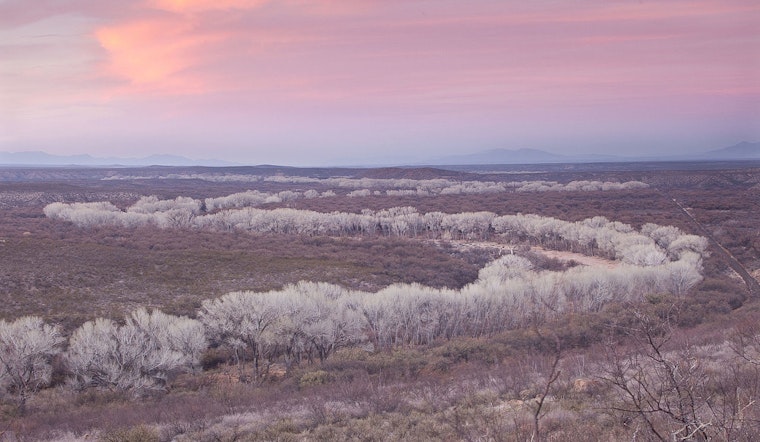
The San Pedro River and its surrounding environments are facing a potential change in landscape as the Copper Creek Exploration Project spearheaded by Redhawk Copper, a subsidiary of Faraday Copper, progresses. The Bureau of Land Management (BLM) has given the company the green light to establish up to 67 drilling sites near the river, raising alarms among local residents, the San Carlos Apache Tribe, and environmentalists. The primary concern lies with the risks these drills may pose to the water supply, wildlife, and sacred tribal sites, as detailed in a report by ABC15.
According to the same ABC15 investigation, the drills could potentially use up to 175,000 gallons of water per month—a significant amount for an area already plagued by drought and uncertain climate conditions. The concerns don't stop at water usage. There is evidence, including a photo taken in October 2024, showing a Mexican spotted owl—a species protected under the Endangered Species Act—merely a quarter mile from one of the proposed drill sites, despite the BLM's Environmental Assessment declaring the species "not present" in the region. Despite the evidence and requests for reconsideration, the BLM has denied to retract its decision.
Environmental groups and the San Carlos Apache Tribe refuse to stand idly by. They have partnered together and approached the BLM, asking it to revisit its approval of the project. A letter recently drafted in conjunction with the Center for Biological Diversity, as reported by KJZZ, highlights the group's belief that the BLM has not thoroughly considered the full impacts on surface water, groundwater, and regional wildlife habitat as mandated by federal laws. Furthermore, these groups allege that the BLM failed to meaningfully consult with the San Carlos Apache Tribe, which is a violation of federal requirements.
Residents in the area are not necessarily opposed to mining, but they seek assurance that any mining activity would be responsibly managed. "Don't get me wrong—a lot of these communities are mining communities," Garland Speight, a local landowner, told ABC15. "But I think what most folks are concerned about is seeing responsible mining done." The lack of transparency and dialogue from the BLM has heightened frustrations, with residents like Jennifer Walden demanding answers to pressing questions about the project's impact, particularly on local water sources.
The BLM has not responded to inquiries from either ABC15 or KJZZ regarding the decision or the environmental assessment. Likewise, Faraday Copper has not returned calls for comment. The case represents a classic clash between local stakeholders and industrial development, with a growing narrative of environmental and cultural oversight in the balance.


.jpg)