

























































As the school year looms, Seattle parents and students seek ways to align their back-to-school rush with eco-friendly practices. Seattle's Office of Sustainability & Environment (OSE) has stepped in with a list of suggestions to make this school season more sustainable. They detail how families can minimize their carbon footprint with choices ranging from lunch box contents to how they get to school.
Given the connection between food waste and climate pollution, OSE underscores the importance of reconsidering lunch habits. Fresh, locally sourced foods aren’t just better for students’ health, but they also reduce waste. "Incorporating more fresh, locally sourced foods into school meals increases nutritious value at the same time as reducing food waste," reports the Office of Sustainability & Environment. For households looking to combat food waste at home, OSE recommends using reusable food storage containers and composting. According to the same source, Seattle Public Utilities has an easy guide on composting – a countermeasure against landfill methane emissions, which are responsible for 58% of landfill methane emissions.
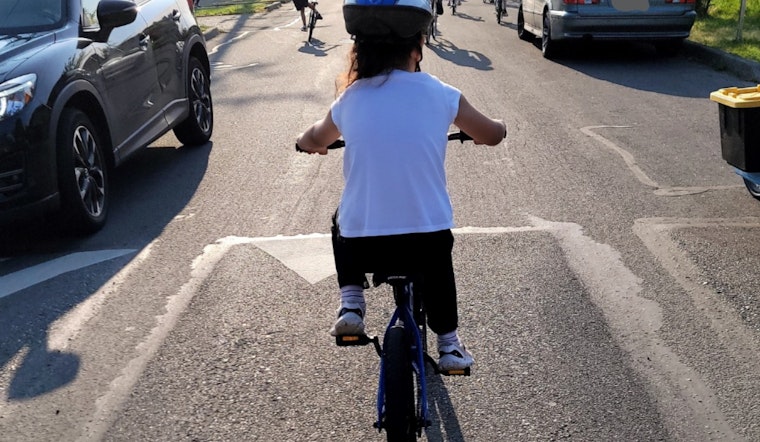
Walking, biking, or taking the bus to school can significantly reduce the city's transportation emissions, currently the biggest culprits of climate pollution in Seattle. Mayor Bruce Harrell has directed City departments to prioritize the reduction of emissions from transportation in the updated Climate Action Plan scheduled for release in 2026. GreenSpace Seattle mentions the SDOT’s Flip Your Trip program, encouraging alternate transit routes to avoid gas-powered vehicle use.



