

























































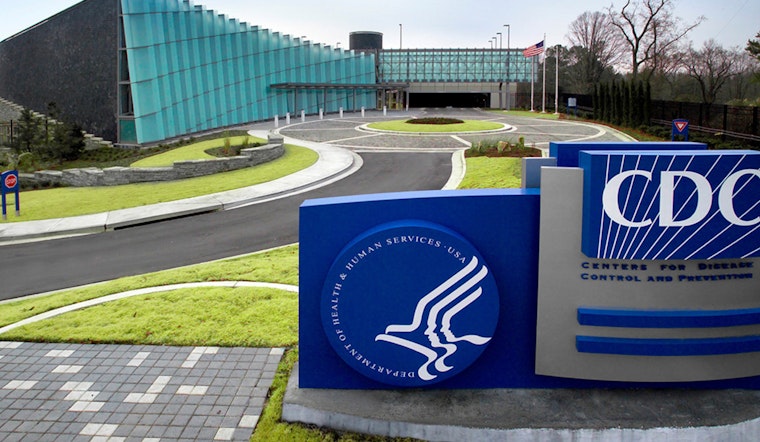
The political and medical spheres collided with contentious force recently as news emerged from the White House regarding the sudden termination of CDC Director Susan Monarez. The move, ordered by President Trump, sent shockwaves through the public health community, triggering both condemnation and concern. Representative Ami Bera, M.D. (CA-06) did not mince words in his criticism of the decision, painting a picture of an administration at odds with scientific expertise.
"RFK Jr. is driving out dedicated public health experts because they refuse to rubber-stamp his dangerous views on vaccines," stated Rep. Bera in a public rebuke. He continued, highlighting the crucial role such experts play, "These experts are our first line of defense against outbreaks and emerging threats. Their resignations make clear that they are no longer being allowed to do their jobs to protect the health and safety of the American people."
Following Monarez's dismissal, a series of resignations ensued among the ranks of top public health officials. The upheaval suggests a deepening rift within the agency tasked with safeguarding the nation from health crises. Bera's outspokenness captures a faction of political leaders and health professionals increasingly alarmed at the steering of health agencies away from evidence-based strategies in favor of political expediency.
As the fallout continues, Bera urges a resistance to what he sees as the ongoing politicization of public health institutions. "We must fight back against the continued politicization of our public health institutions," he asserts. Yet it remains to be seen how this battle will unfold, and at what cost to the health and welfare of citizens for whom these institutions were designed to protect. With stakes this high, the intersection of politics and public health proves to be an arena where ideological conflicts can have real-world consequences.


