

























































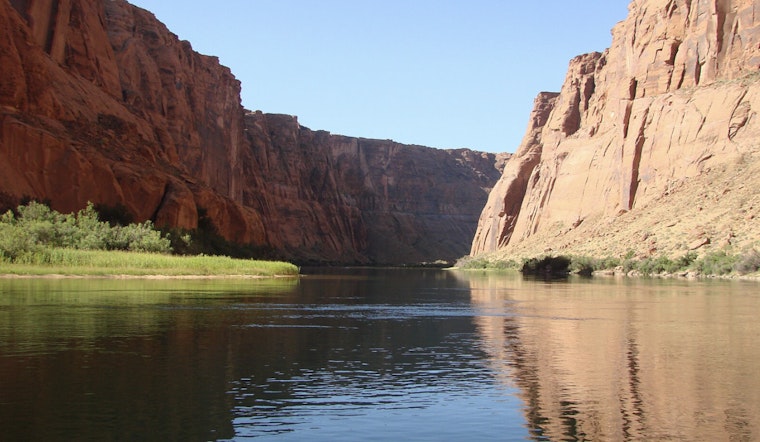
For the third year running, Southern Nevada braces for reduced water allocations from the Colorado River, a decision that federal officials say is a necessary response to the lingering drought afflicting the West. According to a report by The Nevada Independent, Nevada will maintain its current allocation of 279,000 acre-feet, a 7 percent reduction from its standard 300,000 acre-feet. Arizona and Mexico will also see continued cuts of 18 and 5 percent, respectively, while California remains unaffected due to senior water rights.
Despite the recurring shortages, Southern Nevada Water Authority spokesperson Bronson Mack notes that Las Vegas' 2.3 million residents won't face new water restrictions. "We’ve done a lot of our heavy lifting as a community over the last 20 years to prepare for this type of situation," Mack told The Nevada Independent. He emphasized the city's success in reducing its Colorado River water consumption by 36 percent over the past two decades.
Meanwhile, the Bureau of Reclamation's latest projections anticipate that Lake Mead's water level will continue its decline, possibly triggering a Tier 2 water shortage by July 2026. This would further reduce Nevada's annual water by another 4,000 acre-feet. According to a Nevada Current article, Lake Mead’s current volume is a dire 31 percent of its full capacity.
With forecasts indicating drier conditions ahead, Nevada has already implemented precautionary measures. Rather than tapping into the dwindling river supply, the state managed to return approximately 244,000 acre-feet of water to Lake Mead last year through a robust recycling program. Such efforts, as Bronson Mack remarked in his statement to The Nevada Independent, reflect the broader initiative to cope with the manifest effects of climate change on the Colorado River system.
As the Colorado River Basin faces ongoing challenges related to water availability, impacting millions of people, the basin states are continuing negotiations to develop a long-term framework for managing the river after 2026. David Palumbo of the Bureau of Reclamation highlighted "the importance of immediate action to secure the future of the Colorado River," according to a statement obtained by Nevada Current. With a federal deadline set for November, the discussions remain focused on developing strategies to ensure water reliability across the region.





