

























































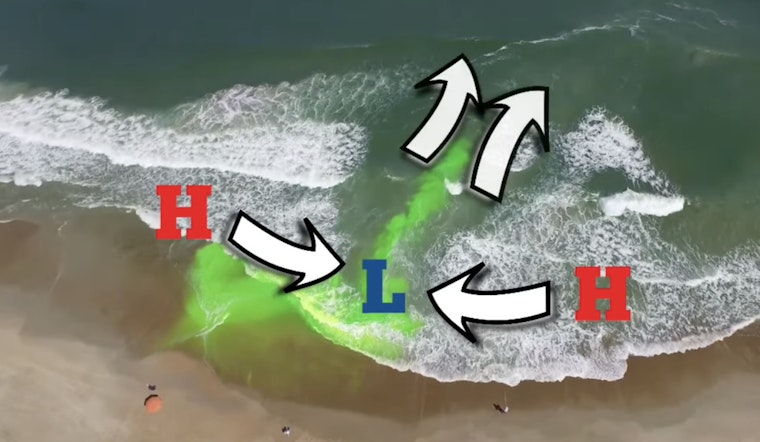
As New Yorkers enjoy a respite from sweltering summer temperatures, Hurricane Erin looms large, threatening the coast with perilous conditions. The National Weather Service has warned beachgoers to brace for 10- to 15-foot waves and potential rip currents from late Wednesday into Thursday. According to Gothamist, meteorologist Dave Radell emphasized, "That means that the surf zone area just adjacent to the beach is going to be dangerous for swimmers."
Despite the invitingly sunny skies forecasted through Friday, officials are urging residents to stay clear of the ocean. In an effort to comprehensively mitigate potential hazards, minor coastal flooding during high tide has also been predicted along the south shores of Queens, Brooklyn, and Long Island. With safety at the forefront, it's crucial to remember the grim statistic presented by NBC New York: up to 15% of U.S. fatalities from tropical storms and hurricanes over the last decade occurred due to rip currents.
The inherent risks of these powerful water channels can't bee overstated—rip currents are known to forcefully pull swimmers from shore towards the open sea. Identifying these currents before they pose a threat can be a life-saving measure. Telling signs of a rip current include darker patches between sandbars and turbulent water near jetties and piers, where these currents typically form.
To avoid unexpectedly being dragged out into the sea, beachgoers should be especially vigilant near breaks in sandbars and coastal structures. In instances of rip current encounters, where the calm often belies the treacherous pull beneath, it's best to swim parallel to the shore to escape their clutch. Specific examples of what rip currents look like were highlighted by the National Hurricane Center, showcased in NBC New York's coverage—from photographs of darker areas between sandbars to strong currents forming near man-made and natural structures.





