

























































The results are in for the 2025 "Dirtiest Cities in America" survey, and it appears that some cities have more work to do in the realm of environmental clean-up than others. Conducted by LawnStarter, the survey assessed 303 major U.S. cities across 20 factors involving industrial emissions, roadway pollution, and even resident satisfaction regarding their lived environment. According to a report by Mental Floss, San Bernardino, California, remains the dirtiest city for the second year in a row, plagued by industrial pollution and logistics-based emissions.
Notably, 75% of San Bernardino's residents have expressed dissatisfaction with local pollution levels, reported Mental Floss. It's a daunting number, certainly, but with San Bernardino County hosting over 850 warehouses, each sprawling over 100,000 square feet. Los Angeles doesn't perform much better, landing the No. 2 spot with a significant portion of its population, nearly 40 percent, living near heavily trafficked thoroughfares that contribute to near-roadway pollution.
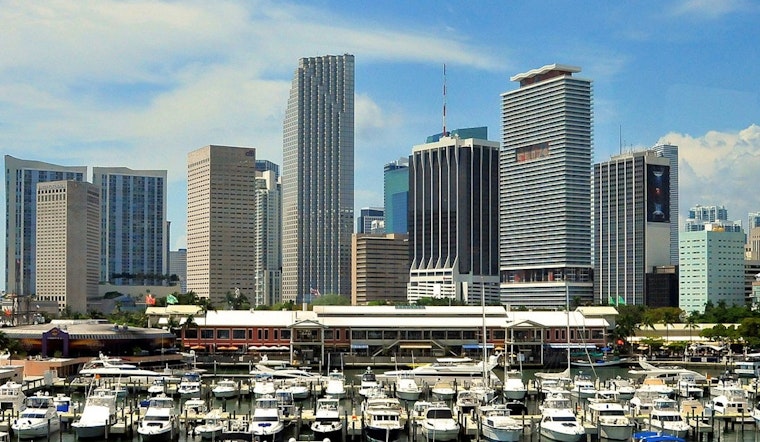
WSVN highlights Miami's rank at No. 16, pointing to the broader sweep of waste management and environmental concerns that placed the city in the list's middling tier. Though Miami's overall score of 43.44 outperforms some of its dirtier counterparts, the survey's findings serve as a reflection—a sobering mirror that demands attention from city planners and legislators focused on sustainability.
Other cities, such as Detroit, Michigan, and Reading, Pennsylvania, closely follow the Californian cities, securing third and fourth place, respectively. According to Mental Floss, Detroit is driven by high smoking rates and public dissatisfaction, while Reading's emissions and toxic release contribute greatly to its ranking. It's a diverse assembly of urban landscapes, tied together by the need for cleaner air, conscientious waste management, and a populace that yearns to breathe freely.
For those looking to dig into the granular details, the top 25 cities include a mix of well-known offenders like Los Angeles and Houston, Texas, but also cities like Ontario, California, which, despite its efforts in adopting clean energy initiatives, is still grappling with its dirty city moniker.





.jpg)