

























































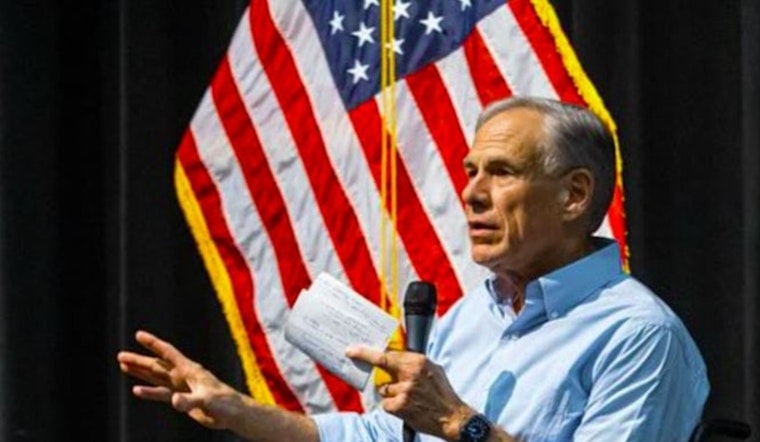
Texas Governor Greg Abbott has recently made revisions to the agenda for the ongoing second special session of the legislature. In a new proclamation, he fine-tuned provisions designed to protect law enforcement and secure the state's election processes.
Specifically, the updated agenda now includes a bill meant to safeguard police officers by keeping complaints that are not substantiated from public view. This legislation seeks to ensure that certain information within the files of law enforcement agencies does not become easily accessible. Meanwhile, modifications also address voter registration procedures, honing in on the need to clarify the treatment of voters with outdated residence addresses and streamlining the process following address change notifications. According to a statement from the Governor's office, "The updated Special Session #2 agenda items include: Legislation that protects law enforcement officers from public disclosure of unsubstantiated complaints and other information maintained in law enforcement agency files."
Opponents have raised concerns that these measures could potentially impact transparency and the public's right to effectively hold police accountable, while proponents argue that protecting officers' privacy is essential for their safety and to prevent unwarranted backlash. On the electoral front, Abbott's push to immediately update voter registration following a change of address notice has been touted as a way to keep voter rolls accurate and to ensure election integrity.
The question at hand is whether the governor's modifications will swiftly turn into enacted laws. The legislative machinery is expected to quickly hash out the details of these proposals in the days to come. Meanwhile, advocacy groups are closely monitoring the developments, prepared to respond to what they view as potential threats to civil liberties and the democratic process. The statement also outlined, "Legislation relating to election procedures regarding accepting a voter with a residence address that is not current and the immediate effect of a voter’s registration after the registrar’s receipt of certain change of address notices."
As the special session progresses, Texans remain split on these and other issues on the table. With the legislative outcome pending, the implications for law enforcement transparency and voter registration processes remain a key focus for those on all sides of the political spectrum. As with all legislation, the balance between safety, privacy, and public oversight will likely continue to be a point of contention and debate among lawmakers, law enforcement, and civil rights groups.





