

























































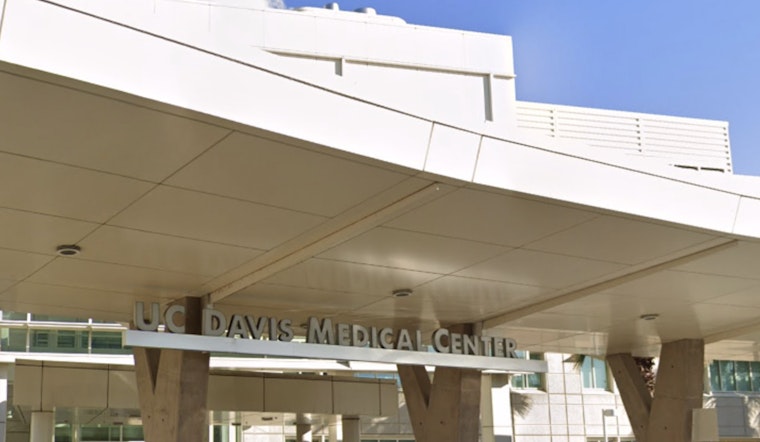
UC Davis Medical Center is transforming into Northern California's first Special Pathogen Treatment Center (SPTC), a designation that has taken on urgent significance as deadly virus outbreaks surge worldwide. The Sacramento facility will receive $1.2 million in funding from the California Department of Public Health to handle patients with highly contagious infectious diseases like Ebola and Marburg virus.
The timing couldn't be more critical, according to UC Davis Health. Recent global developments have thrust this designation into sharp relief—Uganda declared an Ebola outbreak in its capital Kampala on January 29, 2025, while Tanzania confirmed a Marburg virus outbreak with a devastating 100% fatality rate among reported cases.
As a Level 2 center, UC Davis will be ready to safely receive, assess and provide care for people at risk of special pathogen infection. The medical center will serve a massive 65,000-square-mile region covering 33 counties and 6 million residents, according to Hoodline. Before this designation, Northern California residents facing exposure to deadly pathogens would have needed to travel to Los Angeles for specialized care.
Global Outbreak Context Heightens Urgency
The world has witnessed alarming escalation in pathogen outbreaks over the past year. Rwanda experienced its first Marburg virus outbreak in September 2024, with healthcare workers in Kigali particularly affected before the outbreak was declared over in December. The current Tanzania situation is especially concerning, as ASM.org notes that Marburg virus remains "a feared pathogen with high fatality rates."
Angel Desai, associate professor of Infectious Diseases, and Christian Sandrock, director of critical care, will lead the new Level 2 center. "Designing care for patients with highly contagious pathogens requires a fundamentally different approach," they explained to UC Davis Health. "We're building a parallel system—one that allows us to respond swiftly while keeping patients, health care workers and the broader community safe."
Specialized Infrastructure Investment
The $1.2 million in funding will support maintenance of airborne infection isolation rooms, investment in specialized equipment and enhanced training for medical staff, as reported by KCRA. These specialized isolation rooms represent a critical difference from standard hospital facilities, designed to contain airborne pathogens that could spread rapidly in conventional medical settings.
UC Davis will join Cedars-Sinai Medical Center as one of only two National Special Pathogens System hospitals providing specialized assessment and treatment to California patients outside Los Angeles County. As the regional Level 1 treatment facility, Cedars-Sinai will partner with UC Davis to help develop preparedness and response capabilities, enhancing the state's overall readiness.
"This generous investment by the state ensures that Californians will have access to the facilities, trained personnel and protocols needed to safely and effectively treat highly contagious infectious diseases," said Bruce Hall, interim vice chancellor of human health sciences and chief clinical officer, in a statement to UC Davis Health.




