

























































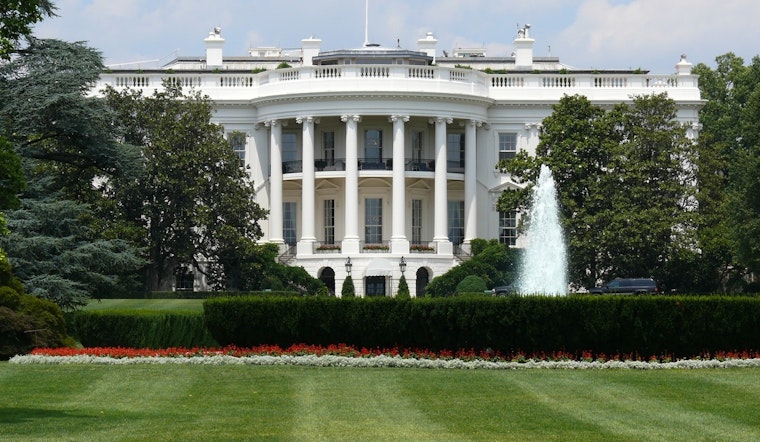
In a move that could change how citizens interact with government services, the White House has announced a new initiative dubbed "America by Design." According to a statement released by the White House, the program aims to revamp the digital and physical interfaces of federal services, striving for a blend of efficiency and visual appeal. Under this order, a National Design Studio will be established along with the new role of Chief Design Officer to lead the creative rejuvenation.
Government websites and services are about to get a makeover, one that promises to address the long-standing issues of usability and aesthetics that have plagued federal digital infrastructure. The creation of the National Design Studio (NDS) follows a broader trend of modernizing antiquated systems that often cause frustration and inefficiency. "It is time to fill the digital potholes across our Nation," the statement from the White House notes, signaling an ambition to align public sector interfaces with the sleekness now commonplace in private tech enterprises.
Agency heads will work directly with the new Chief Design Officer to actualize the initiative's goals, with a deadline set for July 4, 2026, to start demonstrating tangible improvements. The plan includes revamping major websites and physical sites that Americans rely on daily. Moreover, the Chief Design Officer will engage with design thought leaders and research firms and even recruit talent from the private sector in an effort to harness contemporary design expertise for national service.
The mission of the National Design Studio extends beyond the visual overhaul; it's also expected to enable cost-efficiency by reducing redundant design expenditures. Their mandate includes updating the United States Web Design System, which serves as a blueprint for federal websites, to reflect the policy's goals. This update will be in consultation with the Administrator of General Services and with an oversight that compliance with the 21st Century Integrated Digital Experience Act is met, the initiative demonstrates a comprehensive approach to user experience in federal services.
There are clear lines drawn in the executive order to ensure that this aesthetic and usability overhaul doesn't overstep any existing legal authorities or budgetary constraints. The improvements are to be implemented "consistent with applicable law and subject to the availability of appropriations," and no enforceable rights or benefits are created through this order, as mentioned by the White House.





