

























































The latest jobs report from the Bureau of Labor Statistics isn't looking great, and it seems the Trump administration is more interested in playing blame games than addressing the underlying issues. The report, released last Friday, indicated a dismal average of 27,000 jobs added per month over the past four months. Strikingly, the manufacturing sector, a focus of Trump's trade war promises, has shed 78,000 jobs this year alone.
Reacting to the report, President Trump, evidently aloof to the economic distress, shared a meme of himself labeled "The Golden Age,” in direct contrast to the grim numbers. His administration's officials seemed to be out of touch when Secretary of Labor Lori Chavez-DeRemer said, claiming the rise in the unemployment rate to 4.3%, which reflects 7.4 million Americans in need of employment, was "statistically, it’s nonexistent." Similarly, White House Press Secretary Karoline Leavitt lauded Trump’s agenda as pro-growth, astonishingly praising his work in the very manufacturing sector that's been losing jobs.
Before the figures were public, Secretary of Commerce Howard Lutnick anticipated that the post-purge numbers would be more accurate because Trump had rid the BLS of what he perceived as inaccuracies. Yet, when the numbers didn't add up favorably, Trump’s Director of the National Economic Council, Kevin Hassett, and Secretary of Treasury Scott Bessent promptly blamed political bias at the BLS and questioned the data's validity, respectively. Amidst these contrasting statements, the President's Council of Economic Advisers remained notably silent, extending its August absence from the conversation.
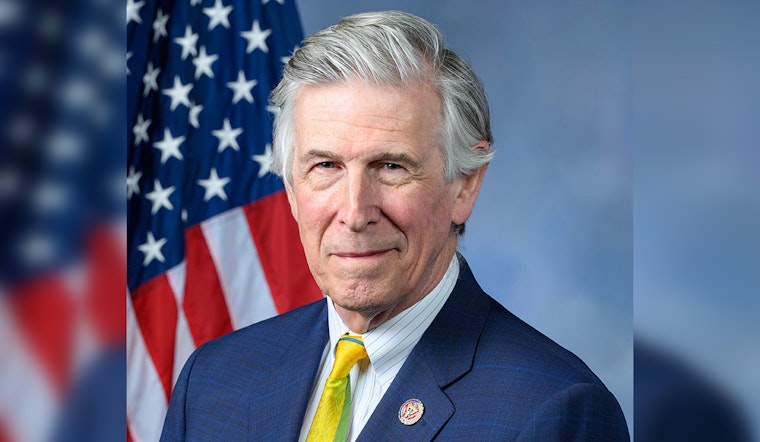
A statement from Rep. Don Beyer, Senior House Democrat on the Joint Economic Committee, summed up the administration’s contradictory messaging succinctly, stating, “Trump and his team are simultaneously arguing that the jobs report was good, that it was bad but would get better after revisions, and that it was bad because the people who run the data analysis were biased against them.” Detailed in response to the administration’s narrative, Beyer posited that none of these statements were true and concluded, "No amount of lies or window dressing will change the fact that Trump’s tariffs are grinding our economy into the ground."
The saga unfolding around this jobs report highlights a disconnect in the Trump administration's handling of the economy. As officials offer conflicting and at times, misleading defenses, American workers continue to face the tangible ramifications of job losses and economic uncertainty. Despite the optimistic facade presented by some within Trump’s team, the numbers tell a different story—one with severe implications for the U.S. workforce.





