

























































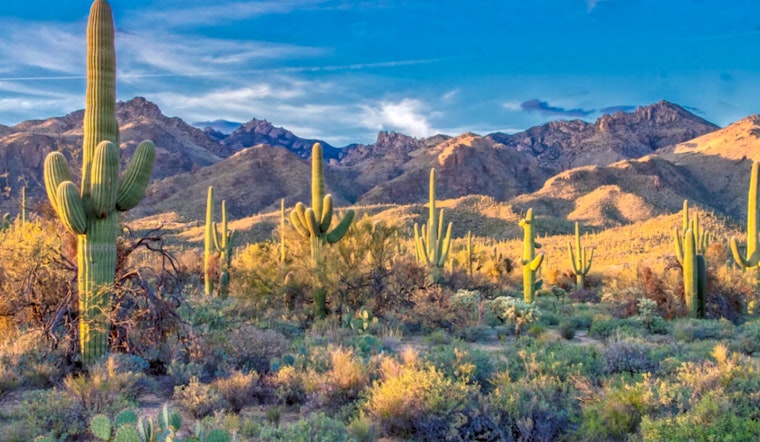
As Arizona endures scorching temperatures, the state's native desert fauna are under considerable stress, with the saguaro cactus and rattlesnakes experiencing a steep decline in population. ABC15 reports that the mortality rates for saguaros have surged from 1 to 2 percent to nearly 7 percent annually due to intense heat waves and elevated nighttime temperatures that prevent normal plant respiration.
Furthermore, wildlife biologist Mike Cardwell, who has been tracking rattlesnakes for over a quarter-century, observed an unprecedented event when two adult Western diamondbacks, which he was monitoring, perished underground due to extreme heat—a situation never before seen in his long career as recounted in an AZCentral interview. The rattlesnakes, which regulate their body heat based on the environment, are struggling as optimal temperature conditions of 80-85 degrees Fahrenheit become increasingly scarce and the sweltering heat prevents them from hunting at night, leading to starvation, said Elijah, a venom keeper at the Phoenix Herpetological Sanctuary, per ABC15.
The implications of these losses are significant for Arizona's ecosystems: rattlesnakes play a key role in controlling rodent populations, while saguaros provide crucial support for various desert-dwelling birds, insects, and pollinators. Biologists caution that a decline in one species can trigger a domino effect disrupting the entire food web, with potential consequences that extend far beyond the immediate surroundings. "Even the little guys play a big role in keeping everything around us in balance," Elijah told ABC15.
Residents have been advised to respond calmly and reach out to professionals for the relocation of rattlesnakes, which are increasingly entering residential areas, in search of water and cooler conditions. Cardwell expressed an urgency in recognizing the signs of ecosystem stress, underlining that what has been a slow process is rapidly accelerating and we may have now been at the tipping point for several years, as he revealed to AZCentral.





