

























































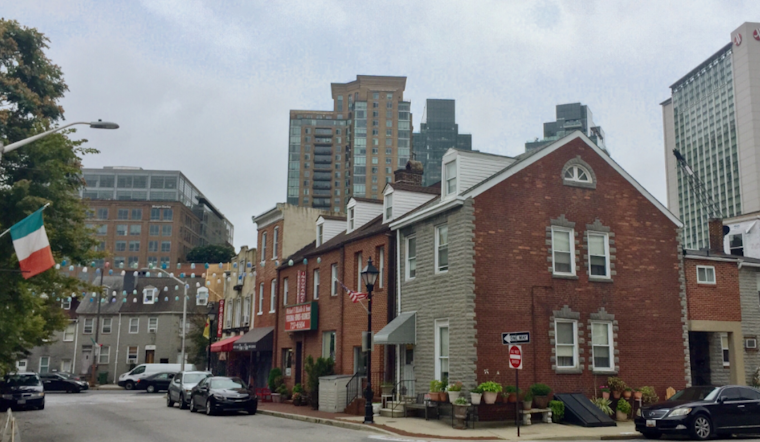
In the historic district of Little Italy, Baltimore, a conflict brews over the potential rezoning of a parking lot on President Street. The proposed change, which would allow the construction of a 24-story apartment building, has the neighborhood's residents and business owners at odds with development ambitions. As reported by WMAR2 News, the Little Italy Neighborhood Association is encouraging local stakeholders to express their opinions through a voting process ending October 1.
Addressing the corner of a significant neighborhood artery, the parking lot situated at 301 South President Street is subject to its second requisition for a zoning amendment by an unnamed developer, who, as Lisa Regnante, the neighborhood association president, stated, as per WMAR2 News, has plans akin to the previous request for a 32-story high-rise but now revised to match the height of the neighboring Avalon building. In a bid to supersede the current zoning limitations of 12 stories, the developer needs the approval of both the Mayor and City Council, with the city's Planning Commission reminding that community feedback is integral to the decision.
While the first community vote in 2023 resulted in an overwhelming opposition to such a rezoning, with Joe Fowler stating, "It was like 80% not," according to CBS News Baltimore, the community finds itself once again at a crossroads. The outcome of the current voting will inform Baltimore Councilman Jermaine Jones' decision on whether to introduce legislation to rezone the property. In a nod to the community's history and aesthetics, Regnante emphasized the importance of adhering to the existing zoning code in her statement, citing concerns over preserving the character of the neighborhood, comprised mostly of traditionally low-rise rowhomes.





