

























































Rashawn Williams walked into Glenmont Metro Station in Maryland in October 2023 and vanished for six days, found alone in the dark inside a locked emergency exit corridor without food or water. Williams, who has Down syndrome, had wandered away from a caregiver, and a breakdown of basic safety procedures allowed him to slip into the corridor undetected. Now, a federal lawsuit filed by his family over the ordeal has cleared a major legal hurdle, with a judge ruling it can proceed toward trial.
According to The Washington Post, U.S. District Judge Paula Xinis issued a memorandum this month rejecting WMATA's motion to dismiss the case. The transit authority had argued Williams became a trespasser once train service ended for the night, but Xinis rejected that framing, pointing instead to Metro's own requirement that personnel conduct daily inspections of the station's Area of Refuge emergency room. The ruling means the lawsuit, filed by Williams' family, will move toward trial rather than being thrown out.
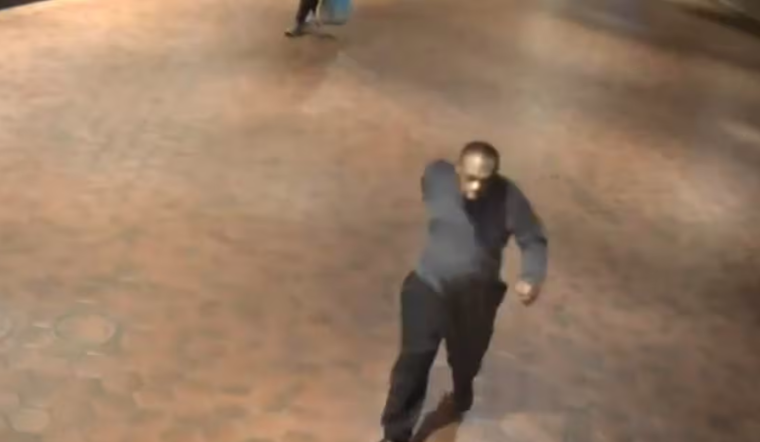
The complaint also details what happened before Williams disappeared into the corridor. It alleges that when he first entered Glenmont Station on October 20, 2023, he stood at a station kiosk seeking help, but a Metro employee occupied with a personal phone call ignored him. Montgomery County Police later provided surveillance video showing Williams at the station that day, footage that became part of the public record as investigators pieced together his movements.
Six Days Alone, Then a Rescue
Williams had gone missing after wandering away from a caregiver at a Silver Spring hotel, where he was staying because a fire had damaged his group home, according to background reported by FOX 5 DC. He was not found until October 26, 2023, when a police officer searching the station asked a manager to unlock an emergency door, discovering Williams inside. He was treated for dehydration at Holy Cross Hospital, as the Post has reported.
Court filings describe lasting damage from the six days Williams spent trapped without food or water. He has suffered severe long-term psychological trauma, including a persistent fear of the dark, chronic sleep disturbances, and sudden emotional outbursts, according to the filings cited by the Post.
A Station With a History of Inspection Gaps
The Area of Refuge where Williams was found was not an unknown trouble spot. A May 2022 safety audit by the Washington Metrorail Safety Commission had already documented maintenance and inspection deficiencies at Glenmont Station's emergency refuge area, including unauthorized storage cluttering the space and missing log book entries. That earlier audit adds independent regulatory weight to the allegations now at the center of the federal case.
WMATA's legal troubles extend beyond this one lawsuit. In November 2025, the transit authority faced a separate federal whistleblower lawsuit alleging it wrongfully terminated an employee after she reported safety hazards and security protocol breaches, according to Justly Prudent. Taken together, the cases point to broader questions about how the agency handles safety accountability.
Williams' Disappearance Sparked a Statewide Law
Williams' six-day disappearance without any public warning exposed a gap in Maryland's emergency alert system. Because he was an adult with a developmental disability, he did not qualify for an Amber Alert, which is restricted to minors, or a Silver Alert, restricted to people 60 and older, according to WUSA9. That gap meant law enforcement had no equivalent public broadcast tool available when he first vanished.
Directly prompted by his case, Maryland Governor Wes Moore signed House Bill 195 in May 2024, establishing a statewide Purple Alert system for missing adults with cognitive or developmental disabilities, which took effect in October 2024, the station reported. The reform placed Maryland among just five states nationwide — alongside Florida, Kansas, Mississippi, and Connecticut — with a Purple Alert system tailored specifically to intellectual and developmental disabilities, according to a disability advocacy legal analysis from Clancy & Associates.
The federal lawsuit filed by Williams' family will now head toward trial, with Judge Xinis' ruling preserving the core allegations that Metro's own maintenance and inspection failures at Glenmont Station contributed to his six days trapped in the dark.





