

























































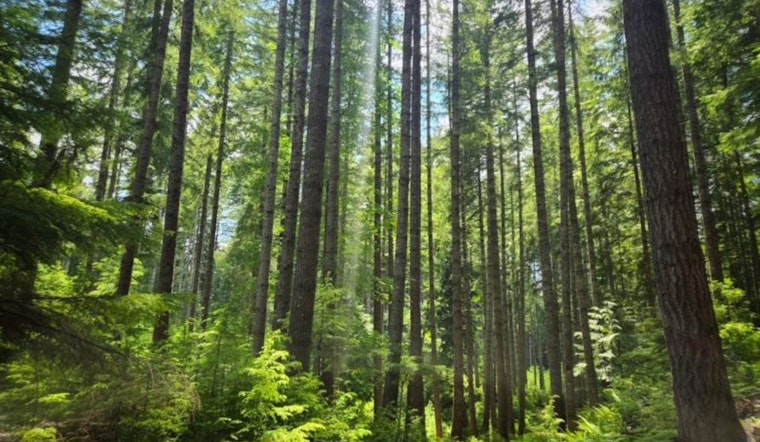
The Bureau of Land Management (BLM) has announced it will offer six timber sales in September, which will equate to nearly 40 million board feet extracted from public lands in western Oregon. According to a press release from BLM, these timber sales are projected to sustain local industries dependent on wood products, bolstering local economies with much-needed jobs.
BLM OR/WA State Director Barry Bushue was quoted expressing the importance of these activities, "Timber harvested from public lands provides essential benefits to our nation, from supporting rural economies and local jobs to ensuring a strong domestic timber supply," as mentioned on the Bureau of Land Management release. However, it's essential to point out that this extraction comes from over 3,000 public acres, raising questions about the balance between economic gain and environmental stewardship. The sales will be spread out among different districts, with Lakeview and Medford Districts kicking things off in the latter half of September.
In the Lakeview District, the Clover Butte timber sale will open bids on September 17, offering 4.8 million board feet from 1,103 acres. The Medford District is set to have a busier sale period, hosting four separate sales on September 25, all taking place at the Medford District Office. These include Holcomb Hollow, Chopper Styx, Take A Chance, and Apple Saws Salvage & Hazard timber sales, together accounting for a harvest of over 28 million board feet of timber from approximately 2,100 acres. The Roseburg District will also host its Prince Butte sale, with 6.9 million board feet on the chopping block, so to speak.
BLM's management of 2.4 million acres in western Oregon presents itself as a steward of some of the most productive forests in the world. The forestry program plays a key role in bolstering economic security for local populations, supporting around 2,000 jobs annually and generating significant revenue for the local economy. Revenues from timber sold on O&C Lands contribute to U.S. Treasury and aids 18 western Oregon counties, providing funding for community infrastructure like libraries, schools, and dams.





