

























































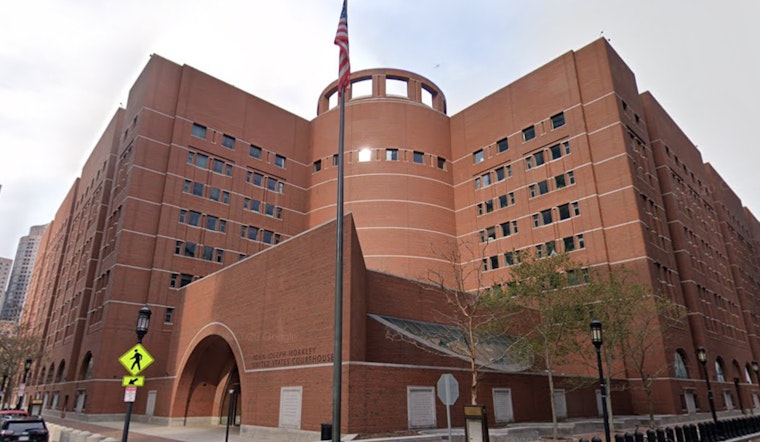
Monica Cannon-Grant, the former director and CEO of Boston's nonprofit organization Violence in Boston (VIB), pleaded guilty to multiple charges of fraud on Tuesday. The 44-year-old Taunton resident was in the hot seat for misusing thousands of dollars in donations intended for social awareness and violence reduction, alongside other allegations of defrauding city and state financial aid programs. Her sentencing is set for January 29, 2026, as reported by the U.S. Attorney's Office, District of Massachusetts.
Operating VIB since its 2017 inception, Cannon-Grant faced accusations that her claims of being an uncompensated director were falsified as she siphoned off funds with her late husband, Clark Grant, for personal gain, handing the community trust a heavy blow. In a sign of a broken promise to those in her circle, she admitted to maneuvering around $30,000 in pandemic relief funds for cash withdrawals and personal use, such as auto loan payments. Though pled guilty, the deception undertaken by Cannon-Grant held out false hope to a community in need under the guise of advocacy, according to the accounts by federal prosecutors.
Her fraudulent actions stretched across several fronts, leveraging the COVID-19 pandemic's financial relief programs to extract amounts such as the $53,977 from the Boston Resiliency Fund. Furthermore, she secured $12,600 in rental assistance from the City of Boston, sidestepping the truth about her household income. These offenses slapped Cannon-Grant with a series of grave charges, including wire fraud, mail fraud, filing false tax returns, and failing to file tax returns, each carrying potential prison time and hefty fines. As described by the U.S. Attorney's statement, Cannon-Grant's actions "repeatedly scammed multiple public financial programs and stole money donated by members of the public who believed their donations would aid in reducing violence and promote social awareness."
With an investigation carried out by the U.S. Postal Inspection Service, the Department of Labor's Office of Inspector General, and multiple other agencies, this case spotlighted a commitment to rooting out abuse of power and financial mismanagement in nonprofit circles. "Ms. Cannon-Grant defrauded several state programs and exploited her position in the community to line her own pockets," said Ketty Larco-Ward, Inspector in Charge of the U.S. Postal Inspection Service's Boston Division, in a statement released by the U.S. Attorney's Office, revealing the lengths to which the former VIB leader manipulated her well-respected role. In the wake of the scandal, the Justice Department continues to underscore its dedication to uncovering and prosecuting fraudulent schemes, especially those that took advantage of COVID-19 relief efforts.
Residents and observers who wish to report suspicions of fraud involving the pandemic can reach out to the Department of Justice's National Center for Disaster Fraud Hotline or file through their web-based complaint form. This case serves as a stark reminder that trust, once a foundational pillar within the walls of nonprofits, can erode when personal greed supplants communal duty. As the old adage goes, the trust of the public is both a privilege and a responsibility, a lesson painfully underscored by the misdeeds of Monica Cannon-Grant.




