

























































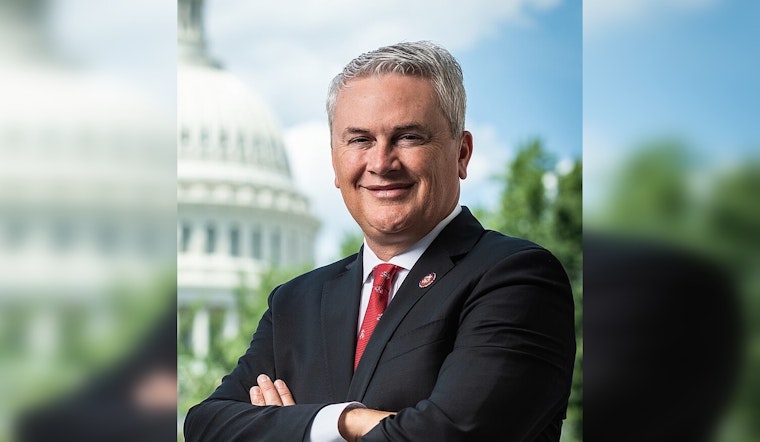
Amid rising concerns over juvenile delinquency in the nation's capital, House Oversight and Government Reform Committee Chairman James Comer has advocated for H.R. 4922, known as the D.C. Criminal Reforms to Immediately Make Everyone Safer (D.C. CRIMES) Act; the bill, introduced by Rep. Byron Donalds, aims to amend the criminal code and sharpen the response to youth-related offenses in Washington D.C. in a statement obtained by House Oversight Committee, Chairman Comer expressed full support for the legislative move.
The D.C. CRIMES Act directly challenges the city's policies, which committee members and the public at large see as too lenient, the legislation proposes changing the definition of a youth offender from anyone under twenty-five to those under eighteen, it's a significant shift that aligns D.C. with the broader national stance on adulthood and criminal responsibility. Chairman Comer criticized the current laws, indicating a belief in their failure to maintain safety for residents and visitors alike by stating "It is clear to Members of the Committee and the public that D.C.’s soft-on-crime policies have failed to keep D.C. residents and visitors safe," underscoring the urgency of the bill's proposed adjustments.
An additional feature of the D.C. CRIMES Act instigates the removal of judicial discretion to sentence young offenders under the established minimum sentencing requirements, a move pointing to stricter sentencing protocols., acknowledging the rise in juvenile crime, the bill necessitates the establishment of a publicly accessible database by the D.C. Attorney General according to a House Oversight Committee release, this measure is intended to clarify the extent of juvenile crime for various stakeholders, including Congress and local authorities.
Chairman Comer, showing his gratitude towards his colleague Rep. Donalds for his persistence with the bill emphasized the importance of creating a safe environment for both inhabitants and visitors, declaring "Citizens of D.C. and visitors to our Nation’s Capital deserve to feel safe," which comes across as a call to action for his congressional counterparts to endorse and support the legislative initiative as the quest to quell the emergent crime crisis continutes. The bill's progression through Congress will be closely watched by those eager for an efficacious solution to the heightened juvenile crime rates that have stimulated national concern and debate.





.jpg)