

























































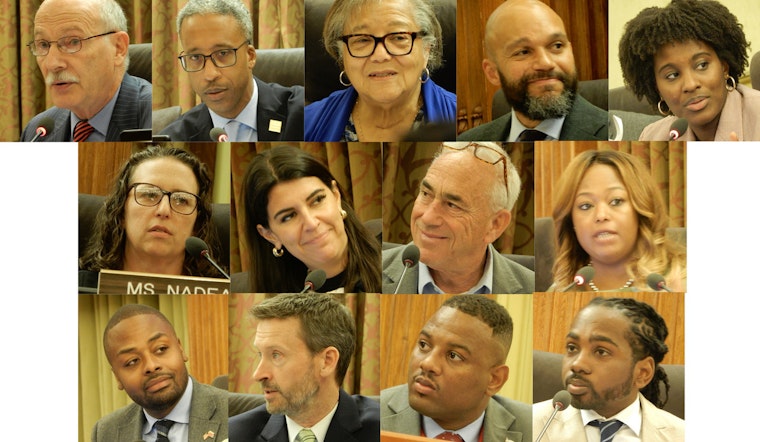
The DC Council recently resumed post-recess with an action-packed legislative meeting that pushed forward several significant measures. In an announcement yesterday, the council confirmed the second approval of the RFK Stadium redevelopment plan and the RENTAL Act. They also extended the juvenile curfew, sanctioned a police contract, and passed an emergency act to facilitate vaccine access, according to the DC Council's announcement.
Headlining the council's packed agenda was the RFK Stadium Site Redevelopment plan, receiving its final nod. Paving the way for a new Commanders stadium, the project aims to rejuvenate the site with significant financial concessions offered by the team. Totalling $779 million, these concessions include parking fees, sales tax from merchandise and food at the stadium, a community benefit package, and savings from debt financing restructuring. The Commanders also took on responsibility for any cost overruns and agreed to binding construction deadlines, ensuring the burden does not fall on the District, as detailed by the council's report.
In legislative moves addressing housing and tenant rights, the RENTAL Act was also finalized. It tightens up the eviction notice period and alters TOPA (Tenant Opportunity to Purchase Act) requirements to exempt buildings with four or fewer units. Adjustments were made to expedite evictions in cases of alleged violence while protecting victims' rights. These decisions stem from the District's commitment to balancing tenant protections with the real estate market realities and the pressing need for more affordable housing developments, officials explained in the council's statement.
The Council extended a temporary juvenile curfew bill. Under the revised legislation, officers have the authority to implement specific, temporary curfew zones where groups of eight or more youth could breach the curfew, which has been effective in reducing issues without leading to arrests for curfew violations, per the recent assembly's decision.
To address the growing concerns over vaccine accessibility, an emergency measure was approved allowing pharmacies to administer vaccines recommended by credible organizations, potentially beyond the CDC's Advisory Committee for Immunization Practices (ACIP). Formalized through the mayor's sign-off, this action secures continued vaccine access for District residents. In other health-related decisions, a collective bargaining agreement with union police officers was supported, which implements a 13% pay increase over three years, the council has confirmed.
As these legislative pieces roll out, the Council will convene again on October 7 to further these discussions and work on additional city measures. The outcomes from these meetings will affect numerous aspects of life in the District, ranging from sports and housing to public safety and health administration.





