

























































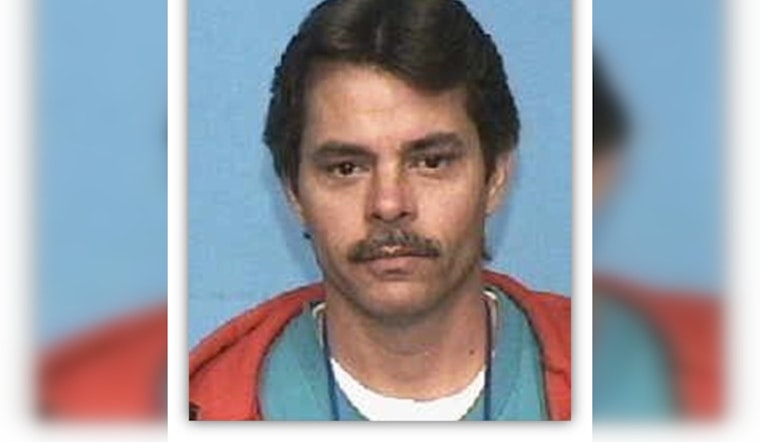
A significant twist has emerged in the harrowing 1991 I Can't Believe It’s Yogurt shop murder case in Austin, with the Attorney General Ken Paxton's Cold Case and Missing Persons Unit bringing a new suspect to light, decades after the crime that shook a community. The suspect, Robert Brashers, who died by suicide in 1999, is now linked to the merciless killing of Jennifer Harbison, Sarah Harbison, Eliza Thomas, and Amy Ayers; a chilling cold case that has lingered in the public memory for over thirty years.
While Brashers ended his life years ago, the persistence of Texas law enforcement has bridged the temporal gap, identifying him as the man suspected of snuffing out four bright flames in their youth, only to then swirl in the dark eddies of unsolved crime until now – the case breakthrough was announced after collaborative efforts that kicked off in 2022 between the Attorney General's office and local law enforcement. The unit, established in 2021 by Paxton, has its eyes set not only on concluding this haunting saga but also on delving into the possibility of Brashers' involvement in other criminal acts within the state.
The Cold Case and Missing Persons Unit's introduction by Paxton was a strategic move aiming to bolster the investigative capacity of law enforcement entities statewide, addressing an overwhelming backlog of unsolved cases. With over 20,000 unsolved homicide cases in Texas, the unit's mandate is not only to cast new light on old shadows but also to provide a semblance of closure for families caught in the limbo of not knowing. As reported by the Office of the Texas Attorney General, Paxton underlined the significance of the unit's efforts, stating, "My team has worked tirelessly on this case for years, and this development is a testament to their dedication and hard work."
The OAG's recent announcement not only brings a measure of solace to the relatives of those whose lives were tragically cut short but signifies a relentless pursuit of justice that transcends time – for in the echoing halls of unresolved crimes, it is not only the quest for the perpetrator that resounds but the demand for peace and resolution for those left in the wake of tragedy. This development, while a mere step in the extensive journey towards justice, renews hope that the intricacies of the law and determination of those who uphold it can sometimes penetrate the murk of time, revealing truths that may deliver a long-awaited respite for the souls tethered to unanswered crimes.




