

























































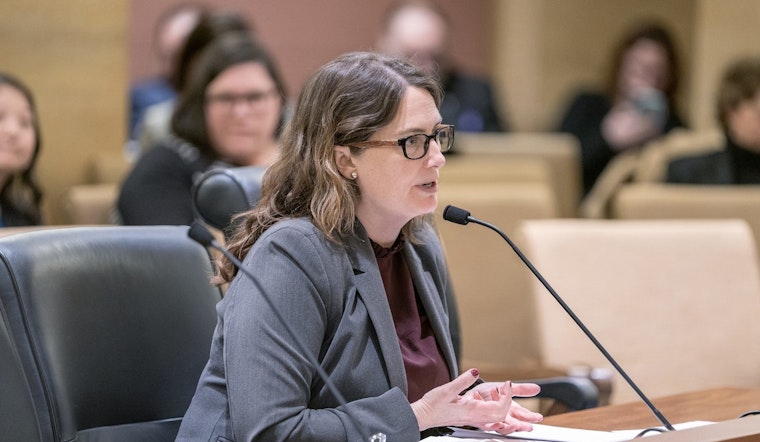
In a move that resonates with the ethos of community and collective bargaining, the Duluth legislative delegation, comprising Senator Jen McEwen, Representative Liish Kozlowski, and Representative Pete Johnson, has publicly declared solidarity with the striking workers of Teamsters Local 320 at the University of Minnesota. These workers, which include custodial, maintenance, and food service staff, among others, recently demonstrated their overwhelming disapproval—82% voting against—the University’s latest contract offer, which led to their strike action that commenced on Monday, Sept. 8, according to a statement on the Senate DFL website.
The significance of the delegation's support lies in their recognition of the workers' indispensable role at the University, wherein they maintain the facilities and support the day-to-day operations crucial for the institution's functioning. This support is not merely a nod to the collective bargaining process but also a stark reminder that the University's administration must negotiate in good faith. The delegation’s statement, expressing that "University employees should not have to strike to secure the fair wages and contract they deserve," echoes a sentiment that resonates across the strong union landscape of Minnesota. The legislators have urged the University administration to approach the bargaining table with "dignity and respect."
Moreover, the tableau of a campus without its essential staff provides a sobering image of what is at stake—not just the livelihoods of those such employees but the academic life that teeters precariously without them. Teamsters Local 320 does not stand in isolation. It symbolizes a larger united front of workers spread across campuses in the Twin Cities, Duluth, Crookston, Morris, and other satellite locations, as noted by the Senate DFL statement. Efforts to support the union members during the ongoing strike, including their morale and possibly their pockets, have been consolidated on their official website.
As the strike persists, the situation remains a potent example of labor's struggle within academic institutions, where the veneer of education often overshadows the tangible essentials that keep the system operational—should those fail, the academic columns, as known by students and faculty alike, would surely crumble and the degradation of such a prominent institution is a risk that the University could ill afford. As the debate over fair compensation and working conditions continues, the community's eyes will remain fixed on the University of Minnesota administration’s next move and the resolve of Teamsters Local 320—a drama unfolding not in the lecture halls but on the metaphorical streets where labor and administration must find common ground.




