

























































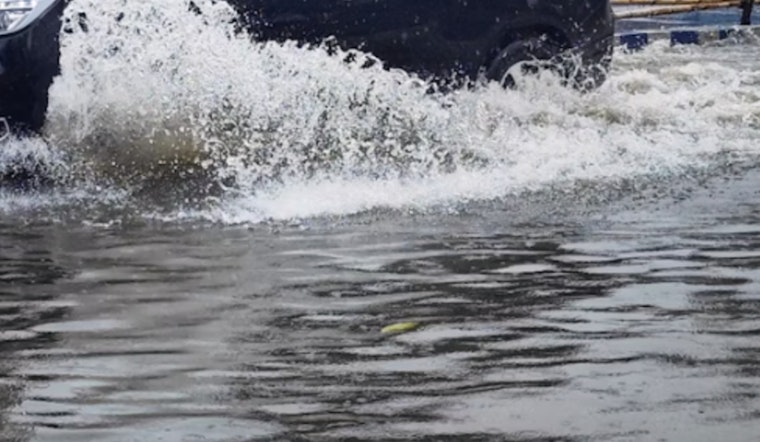
As recovery efforts continue in the aftermath of the recent flooding across the Valley, Arizonans are grappling with the reality of lost vehicles and the adaptive challenges of autonomous driving technology. Following the submergence of the Deck Park Tunnel on I-10, residents like Asher Foote from Scottsdale are facing the financial strain of their waterlogged and mud-covered cars, with some still owing significant amounts on their now potentially totaled vehicles. Foote, who shared his predicament in an interview with FOX 10 Phoenix, encapsulates the broader impact of the floods, stating, "It was pouring. It looked like a hurricane outside. You could barely see 10 feet in front of you,"
A tip from local experts suggests that insurance may be a beacon of hope for affected drivers, as State Farm Insurance Agent Tez Adams conveyed in a statement obtained by FOX 10 Phoenix, "There is no separate coverage you have to have other than comprehensive coverage in the policy, and typically most individuals will have that comprehensive coverage on their policy," he pointed out that even in a desert flood water claims on auto in Arizona are rare this however doesn't diminish the current predicament drivers are facing. To mitigate similar unforeseen damages in the future, car owners are advised to have their vehicles inspected by a mechanic and to keep an eye out for telltale signs of flooding, such as mud under the spare tire or a waterline on the seatbelt.
The burgeoning autonomous vehicle sector is not immune to nature’s whims, as evidenced by the plight of driverless Waymo vehicles during the storms. Several of the high-tech cars found themselves incapacitated in the rising waters, their sensors unable to distinguish between harmless puddles and dangerous floods, leading to stranded passengers and vehicles in need of towing, highlighted by dramatic social media footage and detailed in a 12 News report.
Andrew Maynard, professor of advanced technology at ASU, addressed the autonomous vehicles’ performance during the unforeseen weather conditions, commenting to 12 News, "These cars really haven't had enough time to be trained on how to manage flooding that happened as fast as this did, People are trained to adapt to very unique situations. These cars are trained to deal with what they know. and of course, when you're presented with a flooded road, the sensors on these cars simply cannot tell whether that's just surface rain or whether it's three feet deep," Waymo's temporary suspension of operations nonetheless showcases a cautious approach while the vehicles’ systems learn to adapt to such harsher climates, a preparatory step for their planned operations in diverse weather environments including an upcoming launch in Denver. These incidents provide critical data that will refine the vehicles’ navigational response to extreme weather, according to Waymo’s statement. Maynard remains optimistic, believing the true test for Waymo’s fleet is in its ability to adapt from these experiences and improve upon them in future encounters with severe weather.
Arizona’s recent storms left behind flooded cars and disruptions to advanced technology, underscoring the force and unpredictability of nature. The events highlight the challenges drivers and innovators face when navigating rare but impactful weather. Officials note that such conditions also present opportunities for improved preparedness and resilience across the state.



