

























































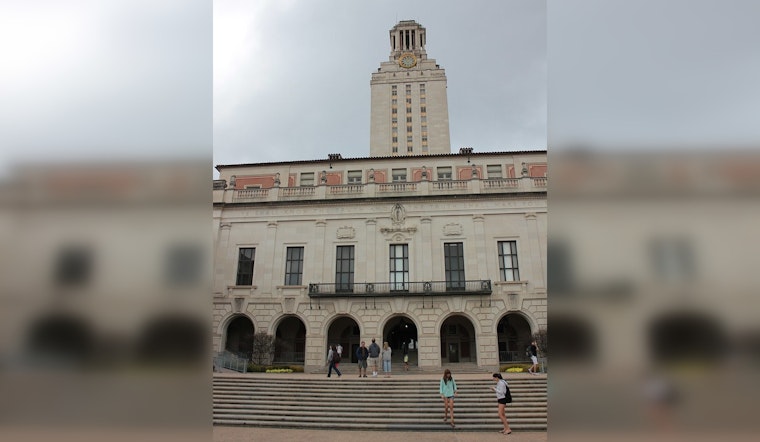
At the center of a brewing legal storm is Dr. Thomas Alter II, a former Texas State University associate professor, who has taken the institution to court over his abrupt termination. The lawsuit, as reported by KXAN, argues that the university’s actions violated state law by firing him without due process and for reasons related to his constitutionally protected speech at a socialist conference.
Alter claims he was acting as a private citizen when he participated in the conference run by Socialist Horizon, yet found himself out of his teaching role on September 10, mere days after the event. According to CBS Austin, the former professor revealed his world and his family's world were turned "upside down" by the firing, a dismissal he says lacked any trace of due process he was entitled to under his tenured contract.
The dispute over Alter's exit from the university has raised questions about academic freedom and freedom of speech. Texas State, for its part, has remained tight-lipped, declining to comment on the pending lawsuit. However, University President Kelly Damphousse has been cited condemning the advocacy of inciting criminal behavior as “directly contrary to the values of Texas State University,” as reported by CBS Austin, though Dr. Alter insists his remarks have been misconstrued and that he did not encourage such actions.
Delving into the layers of policy, the Texas Education Code is clear on what constitutes appropriate due process for the termination of a tenured faculty member, none of which, the lawsuit alleges, the university followed. Detailed steps from written notice to a formal hearing were apparently skipped, consequently Alter’s legal argument is rooted in the claim of a breach of contractual and legal obligations by Texas State. Dr. Alter's expertise in "working-class history and social movements," per KXAN, adds an ironic twist to the case, considering the content of his conversation at the conference.
With eyes now turned towards the Hays County District Court, the outcome of this lawsuit may set a precedent in discussions about academic tenure and free speech. Alter has requested compensation for lost wages and punitive damages, along with reinstatement, goals that, if realized, could send reverberations through higher education institutions and their faculty far beyond the confines of Texas State University.





