

























































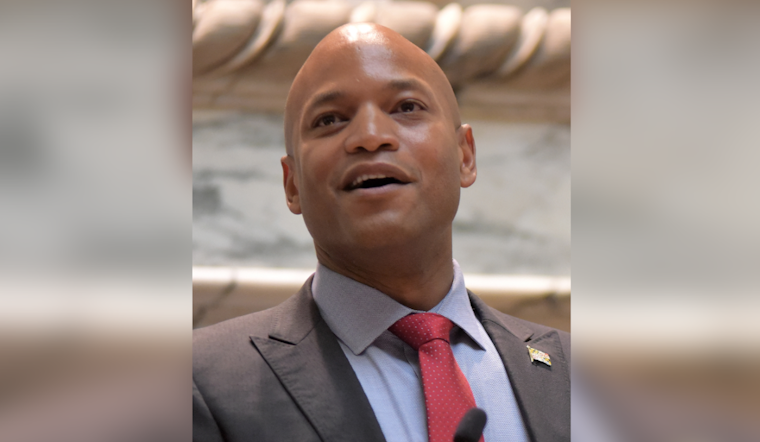
As residents across Maryland brace for higher energy costs, state leadership has stepped in with a financial stopgap, deploying rebates aimed to provide some respite. According to Fox Baltimore, Governor Wes Moore announced a $200 million energy assistance initiative, distributing direct rebates estimated at approximately $40 per utility bill. The move was announced today at the Randallstown Community Center, with funds set to be disbursed as the season transitions to cooler temperatures and again during the winter's peak.
In remarks sourced by WBAL-TV, Governor Moore stated, "Marylanders need relief now — not next month, not next year, Marylanders need relief right now." With the Next Generation Energy Act enacted on July 1, this rebate is intended to effectively start providing financial relief throughout the state. House Speaker Adrienne Jones echoed the immediate need for assistance, expressing commitment to making Maryland "a more resilient and more affordable state for everyone."
Criticisms, however, are being voiced from the Republican camp. Senate Minority Leader Steve Hershey, in a statement cited by Fox Baltimore, decried the rebates as mere "recycling ratepayer money" rather than addressing foundational policy issues that have resulted in the high energy costs. The Senate Republicans believe that long-term solutions are needed to tackle the persistent issue of rising energy rates, rather than applying what they consider short-term remedies.
Adding to the chorus of disapproval, Senate Minority Whip Justin Ready told WBAL-TV, "Energy rates just went up again and will continue climbing every six months because the Democratic supermajority in Annapolis ignored the short-term energy crisis." The sentiment across the aisle suggests a preference for more structural policy reform aimed at securing reliable in-state generation of energy and a more comprehensive approach to utility rate management.
Readers can stay updated as more details emerge about the timing and distribution of these rebates, which are projected to reach households as seasonal energy costs begin to rise.



.jpg)