

























































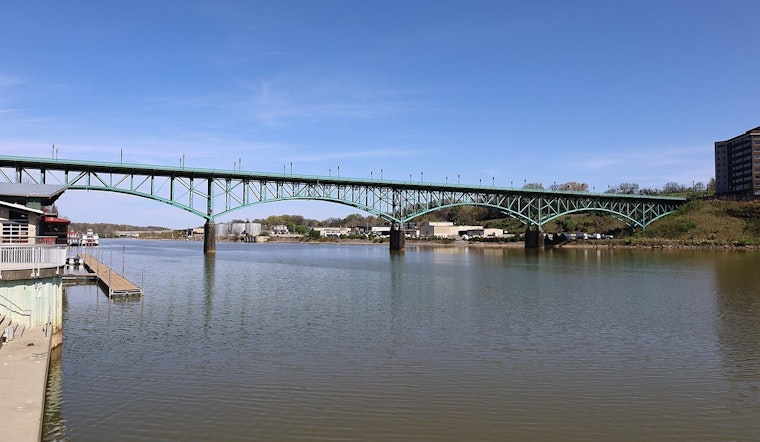
As Knoxville's historic Gay Street Bridge undergoes repairs, the city eyes a sustainable future with potential replacement options, aiming to balance historical significance with modern necessities. In a recent meeting, city officials discussed the progress of the 127-year-old bridge's restoration, with the expectation of reopening to pedestrians and bicyclists by year's end, WVLT reports.
Addressing the state of the bridge, Engineering Director Tom Clabo was quoted, "The steel is 127 years old, and it’s really fatigued," suggesting the inherent limitations of perpetual repairs to an aging infrastructure that continues to show signs of fatigue and cracking, indicating that while short-term stabilization efforts are nearing completion, the city must look towards a long-term solution, a narrative also confirmed by Inside of Knoxville, which highlights continuous inspections slated every three months once the bridge reopens.
Mayor Indya Kincannon's administration is at the forefront of exploring these options, seeking city council's approval for a $1 million Federal Highway Administration grant to further dive into the feasibility of a modern replacement for the storied bridge, according to statements made in WBIR. The grant, alongside a $200,000 municipal match, would pave the way for preliminary planning and cost-benefit analyses, acknowledging the importance of public input on aesthetics and design in a project that would reshape a pivotal component of downtown Knoxville.
While pondering the bridge's future, the present holds its own changes, with city crews transforming the north end of the bridge into a plaza by narrowing the entrance to 16 feet and removing vehicle turn lanes to better serve pedestrians and bicyclists this transformation serving not just as an infrastructural pivot but as a symbolic gesture towards a more walkable, bike-friendly urban landscape, a step acknowledged by Clabo who said, "This will change the character of the intersection to more safely accommodate pedestrians and bicyclists," as per Inside of Knoxville. The exact timeline for these modifications is set for October, ahead of the bridge's reopening scheduled by December 31, 2025.





