

























































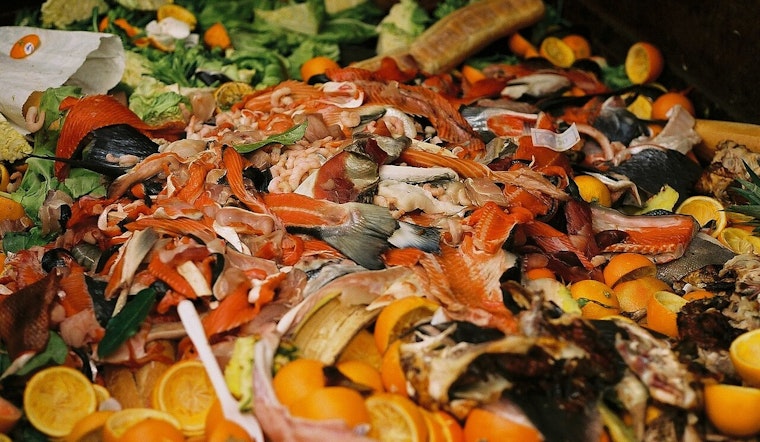
Massachusetts is making strides in environmental conservation by turning food waste management into an economic engine. A recent report from the Massachusetts Department of Environmental Protection (MassDEP) has detailed the positive effects of the state's commercial food waste disposal ban, revealing impressive numbers in job creation and economic growth. According to the report, spotlighting this initiative has led to the creation of 1,676 jobs and a bolstering $143 million in labor income.
"Our state’s businesses and institutions have stepped up to innovate and reduce their waste, and this report shows that the long-term impacts are positive," Governor Maura Healey stated, as observed by the MassDEP's release. Beyond labor income, the ban has germinated an additional $194 million in economic value, contributing over $390 million in industry activity that touches various sectors across Massachusetts.
The food waste ban specifically targets large producers of food waste like supermarkets, restaurants, and educational institutions, mandating that businesses generating over half a ton of food waste per week must divert their organic disposables from landfills to more sustainable avenues, such as composting and anaerobic digestion. This shift has seen the number of facilities that deal with food waste balloon from 1,350 in 2014 to an estimated 4,150 by 2024, an expansion that underlines the policy's far-reaching impact.
"By reducing waste, creating jobs, and lowering costs, this policy helps build stronger communities and a more resilient economy," Energy and Environmental Affairs Secretary Rebecca Tepper is quoted in the MassDEP announcement, reflecting on how these efforts serve both ecological and fiscal priorities. The food waste diversion not only lessens the environmental footprint but also curtails disposal expenses, slashes methane emissions, and assists in delivering food to those in need.
As businesses continue to engage with food collection programs, public consciousness surrounding the importance of minimizing food waste is growing, further encouraging waste prevention and donation initiatives. MassDEP also funds RecyclingWorks in Massachusetts, a resource aimed at assisting businesses with their recycling efforts. The program has helped divert more than 325,000 tons of material from landfills since 2013, showcasing a commitment to a recycle-first mindset. For more details on the Commercial Food Material Disposal Ban program, those interested can head to the MassDEP webpage.





