

























































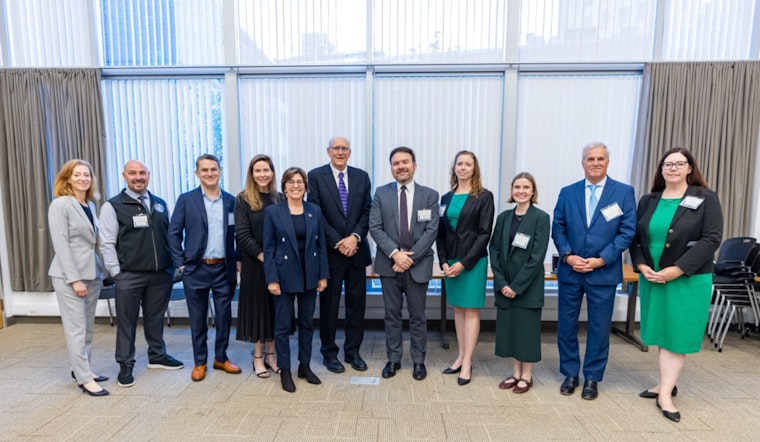
In a push to bolster the solar energy sector in Massachusetts, Governor Maura Healey recently convened a "Solar Summit" in Boston, assembling a mix of solar developers, trade associations, and labor leaders. A series of structured discussions unfolded, designed to fuel dialogue on state programs and pinpoint strategies moving forward. As reported by Mass.gov, Healey signaled clear intent: "Solar is the cheapest and fastest way we can bring more energy into Massachusetts," emphasizing the state's readiness to streamline processes and incentivize solar projects.
Lt. Governor Kim Driscoll, underscoring the sector's economic footprint, said to Mass.gov, "The solar industry employs about 17,000 people in Massachusetts." These workers remain vital in supplying energy to the state, fostering not only a greener grid but also sustained employment. Energy and Environmental Affairs Secretary Rebecca Tepper highlighted solar's critical role during extreme weather events, contributing to a dependable and less costly energy supply.
Massachusetts prides itself on being at the forefront of solar energy integration. On June 24, – the year's hottest day thus far – solar energy fulfilled a significant 22 percent of Massachusetts’ energy consumption, offering a notable cost savings of $8.2 million for that day alone. These benefits are not restricted to the summer months; back in April, solar energy met over half of New England's midday electrical demand. Such statistics represent the palpable impact of solar installations on the state's energy economy.
In 2024, the solar industry bore the brunt of several challenges linked to interconnection, permitting, and remuneration mechanisms. The administration, along with the Massachusetts Legislature, confronted these issues. As per Mass.gov, a historic compromise for siting and permitting reform is being rolled out, aimed at condensing permitting timelines approximately a year, while still ensuring community involvement and environmentally conscious land use. Meanwhile, the Department of Public Utilities approved Capital Investment Plans, setting the stage for 1.3 GW of solar power to be connected quicker. In the face of federal tax credits for solar winding down, Governor Healey's administration launched updated SMART incentives developed to stabilize the industry.
The Solar Summit became a platform for industry stakeholders and state officials to exchange ideas on a wide array of topics—from incentive adjustments to workforce challenges. These conversations are pivotal to the mission of turning Massachusetts into a haven for solar investment and infrastructure growth, as the state seeks to further reduce electricity costs and lean into renewable energy sources.



