

























































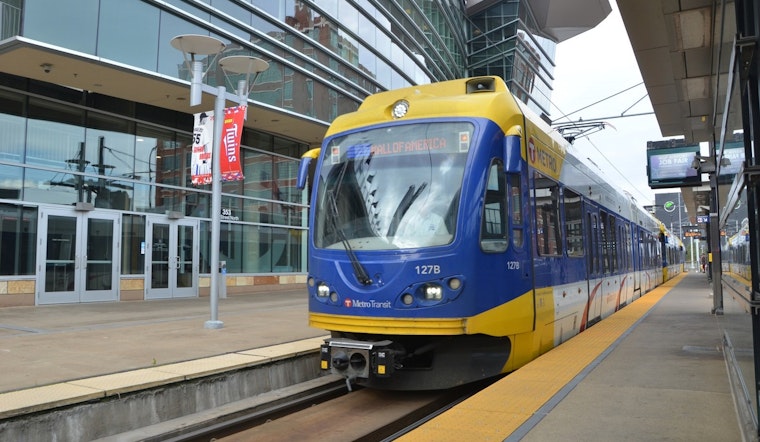
The Blue Line Extension, a major transit project aiming to enhance connections and facilitate inclusive prosperity for corridor residents, is navigating the delicate issue of property impacts. The Metropolitan Council is actively prioritizing the minimization of displacement, ensuring that businesses and residents can stay rooted in their locales, as progress on the light rail line continues.
While the necessity to acquire properties looms—a total of 36 homes or buildings may need to be purchased—efforts to avoid tenant relocation have been fundamental in the planning stages. In a bid to alter the community landscape, the Blue Line Extension has been designed to target primarily vacant or run-down structures. According to an update from the Metropolitan Council, of the 36 affected properties, most are commercial, with a smaller portion being residential or institutional, and one plot is undeveloped. Direct contact has already been established with the impacted property owners, reflecting a commitment to transparency and assistance during the transition.
Temporary and partial property easements are another facet of the project, with around 600 acquisitions foreseen that will not, however, result in relocations but will instead require just compensation to the owners. Following federal and state laws, these transactions guarantee the provision of benefits and assistance under the Uniform Relocation Act to those who must move. Further information on the rights of those affected and the acquisition process is available at the council's real estate acquisition page.
In addition to mitigating the impacts on housing and businesses, the council has launched groundbreaking support programs with a "$5 Million Business Support Program" and "$5 Million Community Investment Fund," as reported by the Metropolitan Council. These initiatives are bolstered by a separate $10 million from the State of Minnesota dedicated to the community-led Blue Line Extension Anti-displacement Community Prosperity Program. These funds are aimed at providing stability during construction and contributing to the longevity of community presence along the extension corridor.
Ongoing outreach is expected to shape these programs' implementation. Input from residents and businesses will play a crucial role in the allocation of resources, emphasizing a community-centric approach to the Blue Line Extension's progress. Details on the implementation of these support measures are anticipated to be disclosed to the community in the coming months, with the aim of bolstering local prosperity alongside the transit development.





