

























































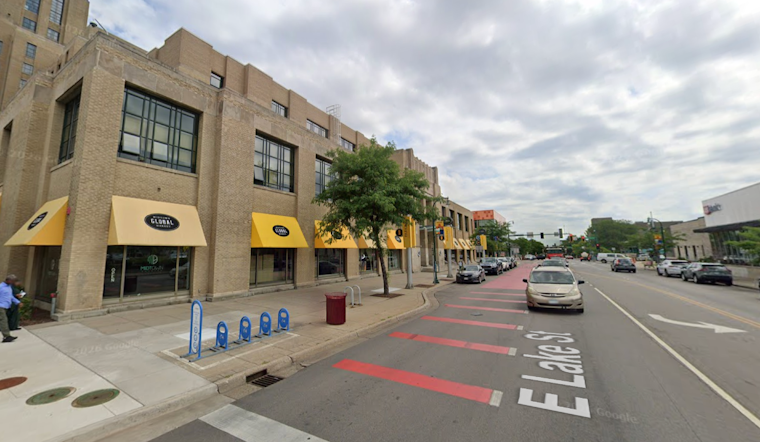
Lake Street's Midtown Global Market fills with vendors, music, and the smell of fresh food this weekend as the Black Entrepreneur State Fair opens its seventh year on Aug. 9, running through Aug. 15 from 11 a.m. to 8 p.m. daily. The fair, themed “Rooted & Rising” this year, bills itself as a South Minneapolis celebration of local culture, economic empowerment, and community healing, with food and merchandise vendors, live music, and family-friendly activities filling the historic market at 920 E. Lake St.
The event traces back to 2020, when it began during the COVID-19 pandemic as a way to help the community grieve following the murder of George Floyd while also supporting struggling Black and small businesses, according to the Minnesota Spokesman-Recorder. It was co-founded by sisters Destinee Shelby and Keandrea Shelby, who set out to turn community grief into long-term economic momentum along Lake Street, according to KARE 11. Attendees can get in by purchasing tickets online, per the Spokesman-Recorder's report.
A Market Built to Survive Redevelopment Pressure
The fair's home, Midtown Global Market, has its own history of resisting displacement. The market opened in May 2006 inside the redeveloped 1928 Sears Roebuck building, and it now operates as a public business incubator housing more than 35 small businesses representing over 20 cultures, per KARE 11's reporting. That multicultural footprint makes it a fitting host for an event built around economic self-determination on a corridor that has weathered plenty.
Past editions of the weeklong fair have drawn more than 75 metro-area Black-owned businesses daily, selling everything from food and apparel to cosmetics and financial literacy services, KARE 11 reported in coverage of the fourth annual event. The Cultural Wellness Center also runs a Community Health Hub Kitchen inside Midtown Global Market, working with local chefs to serve community meals and baked goods during major market events, including the Black Entrepreneur State Fair, according to the organization's own event materials.
Recovery Money Still Flowing to Lake Street
The fair's return comes as Minneapolis leans further into supporting the corridor it calls home. In late July, Mayor Jacob Frey proclaimed the city's sixth annual Black Business Week, spotlighting $7 million allocated to the Small Business Resiliency Fund for commercial corridor recovery and community event support, according to the City of Minneapolis. In April, the city also awarded $1 million through its Great Streets Business District Support Program to 34 community organizations aimed at boosting foot traffic and helping small businesses recover.
That municipal backing sits against a backdrop of steep and lasting damage. Property destruction across Twin Cities commercial corridors following the May 2020 civil unrest was estimated at $500 million, prompting the Lake Street Council and other nonprofits to raise $12 million in recovery grants for hundreds of small businesses, per MPR News. Six years later, state data still shows a stark gap in ownership: Black-owned employer firms numbered just 1,536 in Minnesota as of 2019, or about 1.4% of all classifiable employer businesses statewide, according to figures from the Minnesota Department of Employment and Economic Development.
Weather and Community Volunteers Have Tested the Fair Before
The fair hasn't always run smoothly. During the fifth annual event in August 2024, severe weather tore through Lake Street, destroying vendor tents and damaging commercial fryers, according to CBS News. About 30 community volunteers showed up the next morning to help small business owners clean up and get their sites back in order, the station reported — a display of grassroots support that has become part of the fair's identity.
The Black Entrepreneur State Fair was also conceived as an urban, Black-focused companion to the traditional Minnesota State Fair, giving local entrepreneurs a concentrated platform ahead of that larger event's late-August run in Falcon Heights, according to Racial Reckoning. For organizers, this year's “Rooted & Rising” theme carries forward that same founding purpose: turning a week of vendors, music, and family activities into a longer-term push toward closing the gap in Black business ownership across the state.





