

























































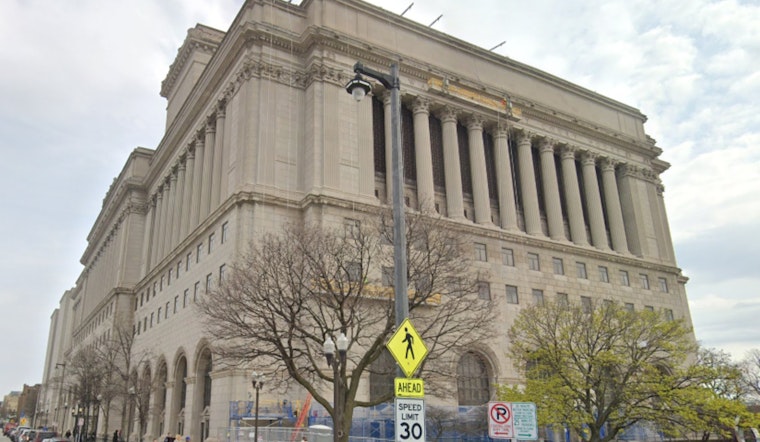
In an earnest effort to prioritize mental health and combat the ongoing crisis of suicide, Milwaukee County Executive David Crowley has designated September as Suicide Prevention Month. The Milwaukee County announcement came during a public health briefing at ThriveOn King, where Crowley deeply impressed the importance of raising awareness and challenged the stigma surrounding mental illness.
With a staggering average of one suicide occurring every 11 minutes in the United States, as per the reports from last year detailing 43,000 suicide deaths, Crowley's personal touch to the proclamation was underscored by his own loss. "While this loss reinforced to me how deeply suicide impacts families, friends, and communities, it also reminded me of the importance of community when you are struggling, because no one should face this struggle alone," he said, according to the Milwaukee County press release.
Under Crowley's initiative, Milwaukee County has pressed forward with various mental health programs that cast a wide net over those in need. The "No Wrong Door" model ensures that every individual who reaches out for help through Milwaukee County Department of Health & Human Services or its affiliates will be steered towards the necessary resources, a strategy that improves the efficacy of service delivery and person-centric care.
Moreover, initiatives such as the partnership-formed Mental Health Emergency Center served over 7,000 community members in its first year—providing critical assistance. Additionally, Milwaukee has seen the deployment of Mental Health Navigators, a proactive measure that places dedicated professionals into the community to render aid for mental health challenges, told the Milwaukee County press release.
Immediate assistance has been made available through the Milwaukee County 24-Hour Crisis Line at 414-257-7222, staffed by a range of licensed professionals equipped to handle mental health emergencies. Alongside, the optimization of behavioral health services has also been a key focus, culminating in a model that creates easier access to care, amplifies crisis services, and establishes more clinic locations.
As September unfolds, Milwaukee County residents battling with mental health issues are reminded that they are not alone. Urging those in need to seek help, support can be found by calling or texting 9-8-8, or by reaching out to the aforementioned crisis line. For the county's palette of behavioral health resources, visiting the Milwaukee County website might prove to be a much-needed lifeline.





