

























































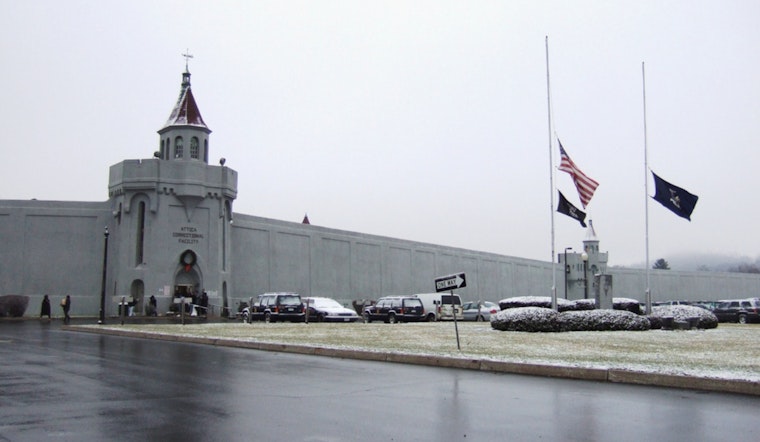
The New York state prison system is still reeling from a staffing crisis, which remains unresolved six months after a widespread strike by correctional officers, leading to a tense atmosphere within the facilities and ongoing debates over prison reform. As reported by Gothamist, staffing at New York prisons is notably short after the Governor fired approximately 2,000 employees for participating in the illegal strike, despite a significant uptick in the number of people sitting the exams to become correction officers.
With the current workforce strained and morale at a low ebb, New York's Department of Corrections and Community Supervision (DOCCS) has implemented the Recover, Recruit, and Rebuild initiative in an effort to stabilize and rebuild its ranks, as their spokesperson highlighted a 160% increase in exam participation for prospective correction officers, and with the National Guard supplementing the understaffed workforce by around 3,000 troops, a hopeful revival seems to be underway. According to information obtained by Spectrum Local News, DOCCS Commissioner Daniel Martuscello expressed confidence in the progress being made.
However, despite these measures, union leaders continue to voice their concerns, pointing to deficient conditions and the struggle to maintain order and safety within the prison walls. Matt Keough, executive vice president of the New York State Correctional Officers and Police Benevolent Association, told Gothamist that the lack of adequate staffing hampers the ability to run programs, which are vital for the smooth operation of the prisons. Meanwhile, NYSCOPBA President Chris Summers relayed to Spectrum Local News that morale won't improve until major issues such as staffing shortages are addressed.
Adding another layer to the ongoing crisis are the proposed changes to the Humane Alternatives to Long-Term (HALT) solitary confinement restrictions, which have ignited a fiery debate among lawmakers and advocates, with supporters of the HALT law gearing up for resistance to the new proposals that would broaden the grounds for solitary confinement, this in light of the fallout of the controversial strike and the death of Robert Brooks at the hands of corrections officers coming to light where the HALT law is seen as a leverage point, in what advocates claim, for greater discipline and control standards against the incarcerated population. The revisions to the HALT law are regarded by some, such as state Sen. Julia Salazar, as a step backwards from the progress made in prison reform, with Salazar affirming to Gothamist, "New York will never return to the practice of torturing people through the use of solitary confinement," as she stands firm on the need for the law to be properly enacted.
The aftereffects of the staff shortage and strike continue to ripple through the lives of the incarcerated individuals, as shared by Sean Pica from Hudson Link, who runs college-in-prison programs, and Joseph Desmond, an inmate at Sing Sing, both discussing the dire impact that inconsistent programming and limited access to educational resources have on the prison community. While state officials, such as Governor Kathy Hochul, have not yet indicated a final stance on the proposed solitary confinement guidelines, the tension within the New York state prison system suggests that the road to resolution will be fraught with challenges, as stated by a DOCCS spokesperson, "have been resuming programming as staffing levels permit," as reported by Gothamist.





.jpg)