

























































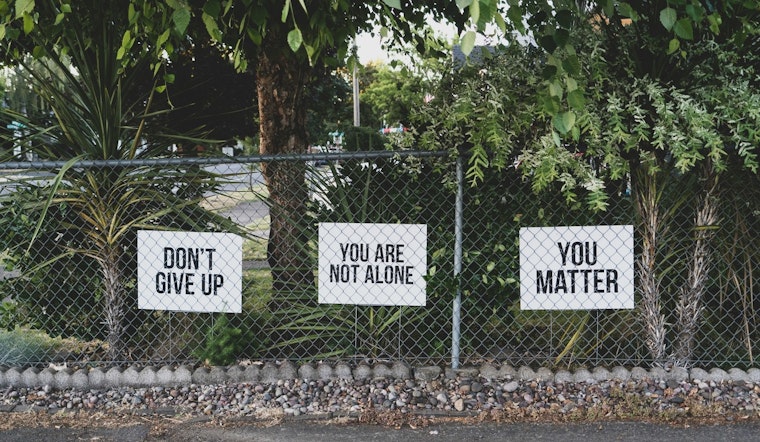
As Suicide Awareness Month draws to a close, the North Carolina Department of Health and Human Services (NCDHHS) has unveiled a directional Suicide Prevention Action Plan for the upcoming years of 2026 to 2030. The strategy sets out a systematic approach to significantly reduce suicide deaths and self-harm across the state, as reported on the NCDHHS website. NC Health and Human Services Secretary Dev Sangvai said, "Suicides and suicide attempts have far-reaching and lasting impact on family and friends and the broader community." The plan is aimed to strategically support populations that are disproportionally affected by suicide, including youth, veterans, older adults, and individuals from communities with limited access to resources.
In the details, the action plan is designed to build a coordinated prevention system, with a focus on reducing access to lethal means, increasing community awareness, and expanding access to high-quality suicide care. More so, improving crisis-response capacity and measuring the impact of these initiatives through robust surveillance are instrumental parts of the effort. "Bottom line, we want a system that meets people where they are, in schools and in their communities, to ensure the right care at the right time," Kelly Crosbie MSW LCSW, Director of the NCDHHS Division of Mental Health, explained in a statement obtained by the NCDHHS press release.
Statistics from the N.C. Violent Death Reporting System indicate nearly 1,600 suicides took place in 2023 in North Carolina alone. The methodically formed strategies encompassed in the plan are informed by an amalgam of sources, including internal subject-matter experts, a review of current state suicide data, evidence-based strategies, the 2024 Health and Human Services National Strategy for Suicide Prevention, and feedback from public comments—this last element including inputs from over 170 diverse voices such as clinicians, parents, school staff, and individuals with direct experiences of suicide.
Additional elements of the comprehensive strategy involve extending mental health training to non-clinical workforce members and adding mental health services in school environments. It also includes initiatives to educate older adults and their families about the increased risks linked to social isolation and loneliness, and to robustly engage and support mental health treatment programs for those involved in the justice system. "We are grateful for the valuable feedback we received from the public," said Hannah Harms, State Suicide Prevention Coordinator for NCDHHS, according to the plan's announcement. With collaboration at its heart, the action plan aims to bring together NCDHHS and community partners to provide a support network extending through the next five years.
With September raising national consciousness about suicide prevention, NCDHHS continues to foster hope and instigate meaningfully productive discourse on this pressing mental health concern. The state agency remains committed to transforming mental health care, ensuring that all individuals have access to the necessary services when needed. Crucial to the support infrastructure is the 988 Suicide & Crisis Lifeline—available via call, text, or chat 24/7 for those in mental health crises. Furthermore, for the Deaf and Hard of Hearing community, accommodations such as a dedicated ASL-fluent counselor, video phone dialing to 988, or clicking the "Deaf/HoH" button on the website, are also readily accessible services.





