

























































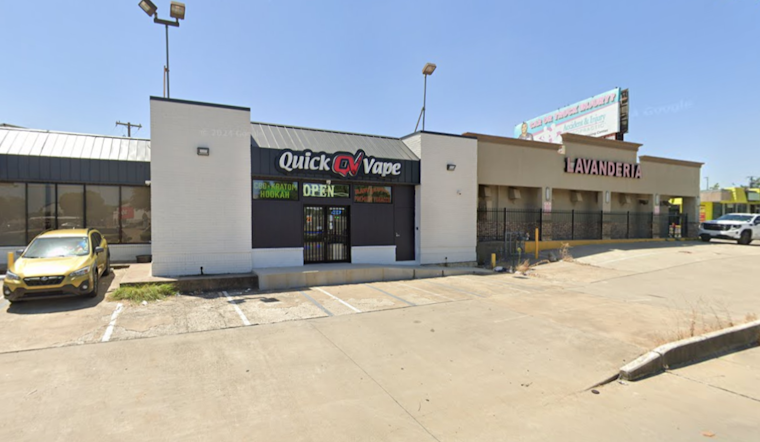
With the enactment of Senate Bill 2024 in Texas, commonly known as the vape ban, North Texas vape shops are experiencing significant financial strain. The law, which went into effect yesterday, prohibits the sale and consumption of all THC-infused vape products and also bans disposable nicotine vapes imported from China. As per CBS News Texas, shop owners such as Allen Haji of Quick Vape in Carrollton are grappling with the reality of losing a substantial portion of revenue, with banned products accounting for nearly 40 percent of total sales.
Amid these changes, vape shop proprietors are forced to not only remove the now-illegal items from shelves but also to turn away customers seeking these products. According to Haji in an interview with CBS News Texas, "We're losing a lot of money here. This also creates a black market... Customers are going to get it if it's something they want." The ban has been a controversial issue, with public health advocates supporting the legislation for its protective efforts toward the community, especially the youth, while business owners and consumers express concerns over increased black market activity.
Moreover, beyond THC products, the law extends to prohibit e-cigarettes that contain various substances, including alcohol and Kratom. The legislation encompasses devices that are "wholly or partially manufactured in or marketed as being manufactured in" China, aiming to restrict products from foreign adversaries. As reported by NBC DFW, Candice Stinnett, owner of Emerald Organics in Fort Worth, has been adapting to the new law by focusing sales on empty devices and alternative consumption methods such as oils and gummies. "Smokeables are the number one seller in both of our locations," Stinnett said, emphasizing the need to quickly shift strategies to mitigate losses.
The consequences for those who violate the new law are not to be taken lightly, with penalties including up to $4,000 in fines and/or up to one year in jail. In words obtained by NBC DFW, Stinnett acknowledges the potential benefits of regulation to keep products "out of the youth’s hands" and hopes for a "safe and reputable industry in Texas." It's clear that as these legislative developments unfold, businesses will need to continuously adapt their strategies while the community assesses the broader impact on public health and the economy.





