

























































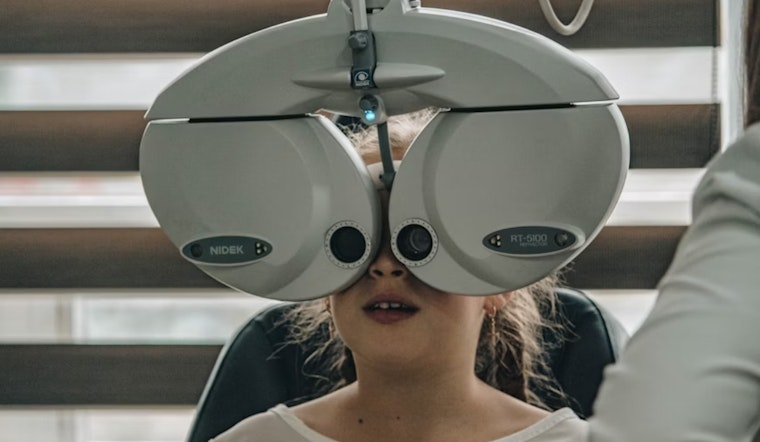
Researchers at The Ohio State University and the University of Houston are diving into a groundbreaking study that could save kids from the grips of nearsightedness before it even starts, as originally reported by OSU News. This isn't your run-of-the-mill vision study; they've got a war chest of $25 million in grants from the National Institutes of Health aimed at seeing if a daily dose of atropine eyedrops can keep myopia at bay in children who've not yet been diagnosed, but are tipping the scales toward high risk based on their reducing farsightedness – a telltale sign that nearsightedness lurks around the corner.
In a statement obtained by OSU News, Jeffrey Walline, the study deets are these: kids between 6 to 11 are the target, the trial's happening at 14 centers nationwide, and they're rolling out the red carpet for over 600 youngsters to get random doses of either atropine or placebo before bedtime for two years, and for those with the placebo who start squinting at whiteboards, they'll flip the switch to atropine posthaste. And because nearsightedness isn't kind, every kid who falls into its clutches during the trial gets a golden ticket for a pair of corrective lenses, every year.
Why all the fuss? Simple, Walline told OSU News, "The more nearsightedness you have, the more at risk you are as an older adult of sight-threatening complications – retinal detachments, atrophy at the back of the eye, glaucoma and macular degeneration," protecting those peepers early on could mean a world of difference down the line. OSU, the University of Houston, and a team including David Berntsen and Lisa Jordan are putting their heads together to prove that stitching this patch early is worth more than a pound of prescription lenses later.
Historically, nearsightedness got shrugged off as an annoyance rather than an ailment, but hold onto your specs, because recent studies toss that old hat out the window, the team previously showed that certain contact lenses slow myopia down in kids as young as 7, a benefit that keeps giving even after the contacts come out, the hope here being that this eye drop approach might just be another weapon in their arsenal, to fend off high costs and the limited options that severe myopia serves up down the line.





