

























































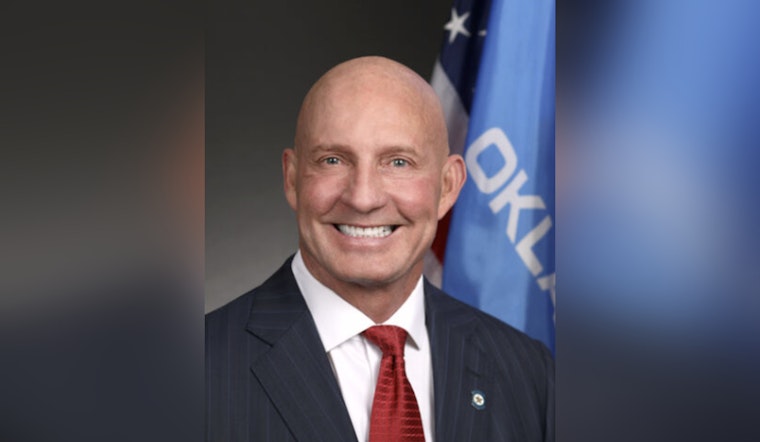
Senator Darrell Weaver, representing Moore, Oklahoma, has been named the 2025 Champion for Consumer Protection by AARP Oklahoma for his legislative efforts to protect consumers from scams involving cryptocurrency ATMs. According to a press release from the Oklahoma Senate, the recognition follows Weaver’s successful passage of Senate Bill 1083, which aims to safeguard Oklahomans against crypto-related fraud.
In a statement released by the Oklahoma Senate, Senator Weaver said, “I am honored to be recognized by AARP Oklahoma for our efforts to protect vulnerable Oklahomans from falling victim to fraudulent and criminal activity involving cryptocurrency ATMs and bitcoin ATMs.” The bill, which represents one of the first pieces of legislation of its kind in Oklahoma, is set to come into force on November 1 and will introduce new levels of accountability for digital asset kiosk operators as well as measures to protect users.
The emerging technologies of cryptocurrency have posed unique challenges for consumer safety. Senator Weaver’s bill is a response to the growing prevalence of digital finance and the corresponding rise in digital kiosk fraud. The new law seeks to combat these challenges head-on by ensuring that the operators of these machines are held accountable for exploitative practices and that consumers are provided with additional safeguards.
According to the Oklahoma Senate, in a commitment to continued progress, Senator Weaver added, “As cryptocurrency and other technologies continue to advance and expand within our state, I look forward to building on these efforts to ensure we remain proactive in addressing the risks posed to Oklahomans by evolving digital financial tools, while also promoting transparency, education, and consumer safety,” The proactive measures included in Senate Bill 1083 demonstrate a push toward adapting consumer protection laws to meet the demands of an increasingly digital economy.
As cryptocurrencies become more ingrained in everyday financial transactions, this legislation could serve as a model for other states grappling with similar issues. Weaver's approach, blending law enforcement with consumer education, highlights an evolving legal landscape, one in which policymakers are striving to keep pace with technological innovation while prioritizing the protection of their constituents from the potential pitfalls that these advancements may entail.





