

























































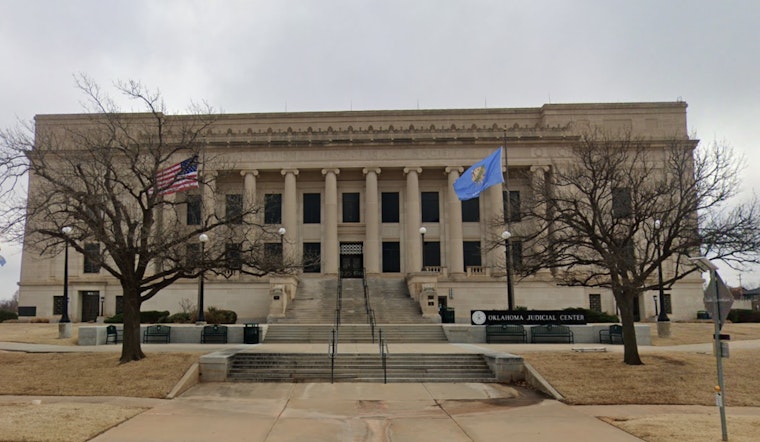
The grip on the democratic process in Oklahoma is being challenged in the state's highest court. The Oklahoma Legislature recently passed Senate Bill 1027, which significantly transforms the initiative petition process. According to a report by Oklahoma Policy Institute, these changes have sparked concern and legal disputes, with two lawsuits filed with the Oklahoma Supreme Court to overturn or modify the bill's provisions.
The lawsuits, aiming to safeguard the sanctity of the state's initiative petition process, have set the stage for a pivotal decision by the Oklahoma Supreme Court. Having been filed in June against Secretary of State Josh Cockroft and Attorney General Gentner Drummond, the first lawsuit questions the constitutionality of SB 1027. A second legal challenge zeroes in on the bill's retroactive effect on an already-filed measure, State Question 836.
Senate Bill 1027 introduces tough restrictions, including capping signature collection in individual counties, banning out-of-state funding for signature campaigns, and mandating that all signature gatherers be registered Oklahoma voters. Furthermore, it imposes rigorous reporting requirements for campaigns and gives the Secretary of State more control over the approval of petitions. Opponents argue that these restrictions infringe upon the rights of Oklahomans to shape their laws directly.
Taking the battle to the state's highest judicial authority, the plaintiffs in McVay et al vs Cockroft and Drummond seek to strike down SB 1027. The other case, Setter and Strobbe vs Cockroft and Drummond, focuses on the problematic retroactive application, asserting that it unfairly disrupts the established process for State Question 836. The question aiming to introduce an open primary system, was already underway before SB 1027 was passed. If the court sides with the plaintiffs, it could set a significant precedent for direct democracy efforts within the state.
The Oklahoma Supreme Court's forthcoming decisions on these legal challenges will have far-reaching implications for the future of direct democracy in Oklahoma.





