

























































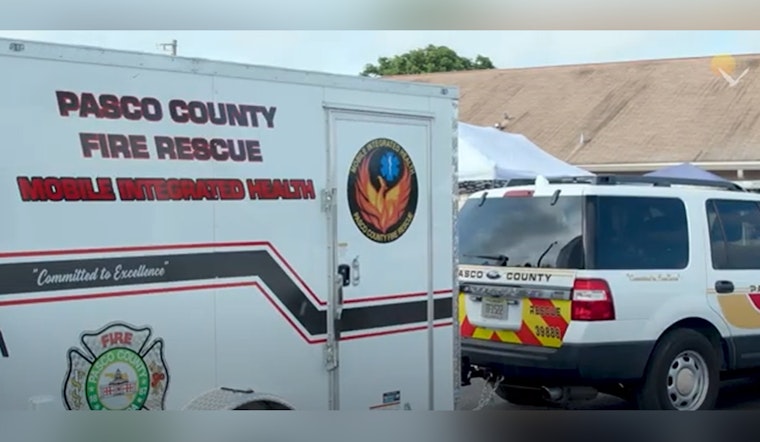
Pasco County Fire Rescue (PCFR) is setting a new standard for proactive healthcare with the launch of its Mobile Integrated Health (MIH) Program, an initiative that takes the concept of emergency medical services a step further by directly intervening in the lives of those most in need. Described by PCFR's Fire Chief Ryan Guynn as a program that focuses on "prevention and personalized support," MIH aims to reduce the pressure on traditional emergency response teams while simultaneously enabling individuals to take an active role in managing their own health. In a statement obtained by Pasco County's official website, Guynn emphasized the program’s goal of "improving outcomes and enhancing lives."
The MIH team, a subset of PCFR’s Community Risk Reduction unit, consists of highly trained paramedics and healthcare experts whose remit includes in-home care, health education, and assistance in navigating local resources. The initiative is designed not just to respond to, but anticipate the needs of patients dealing with chronic conditions, recovering from hospital stays, or those requiring help connecting with community support. This innovative approach aims to cut down the instances of emergency calls and limit repeat hospital visits by meeting people on their turf – addressing their physical and emotional needs.
Far from being your typical 911 response, the MIH program represents a shift towards a holistic engagement with community health, offering interventions tailored to the needs of individuals rather than waiting for crises to occur. This forward-thinking program by PCFR is said to symbolize its commitment to 'Caring Beyond the Call,' as Fire Chief Ryan Guynn told Pasco County's news release. This emphasis on preventive care and education reflects a broader trend in healthcare towards targeted interventions that can reduce costs and improve health outcomes for communities.





