

























































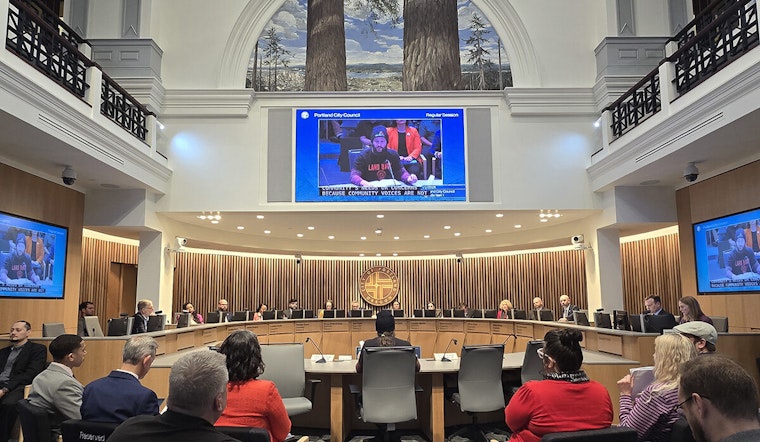
The Portland City Council has come under scrutiny recently, but not for reasons one might expect. The uproar isn't about a fiscal mishap or an environmental policy gone awry, but rather the way councilors have been communicating. Critics are sounding the alarm over what they perceive as clandestine electronic discussions among elected officials. The concern primarily stems from a law enacted in 2023 that required a better understanding on serial communications among council members, as obtained by a statement from a Portland City Councilor.
This law is both new and confusing, and dare one say, even the city's watchdogs are scratching their heads. The City Attorney, Robert Taylor, did not find anything wrong with the council's actions. Instead, he suggested "a critical opportunity for additional training." The law is proving to be a moving target that even those who are tasked with its execution can’t quite pin down. City councilors, it seems, are navigating in grey areas
The controversy spun from a chat platform used by the councilors, which fell below the quorum threshold, ensuring it was all above board—or so the narrative goes. Discussions are said to have been open and decisions made transparently. The council has been adamant that combustible headlines aside, everything happened out in the open, with "the actual decisions, the votes, the outcomes" taking place in clear view of the public sphere.
However, tensions have been palpable, as the newfound diversity of the council has introduced unfamiliar variables to the political equation in Portland. Critics argue the representatives should have their conversations on full blast, broadcasting every exchange for public consumption. This is an unrealistic expectation, though, as pointed out by councilors who emphasize the requirement for deliberations concerning city business to happen publicly, not that every private message be aired as they occur. As a councilor articulated, they used a Teams channel "precisely because we knew it was under public records law."
What emerges from this turmoil is not a saga of scandals but rather a narrative of evolving representation. The current council boasts a composition of members who are more reflective of Portland's varied demographics and thus are championing previously sidelined concerns. The pushback and the headlines may very well be growing pains of a city iterating toward a governance that's more inclusive and, arguably, more in tune with its constituents than ever before.





